
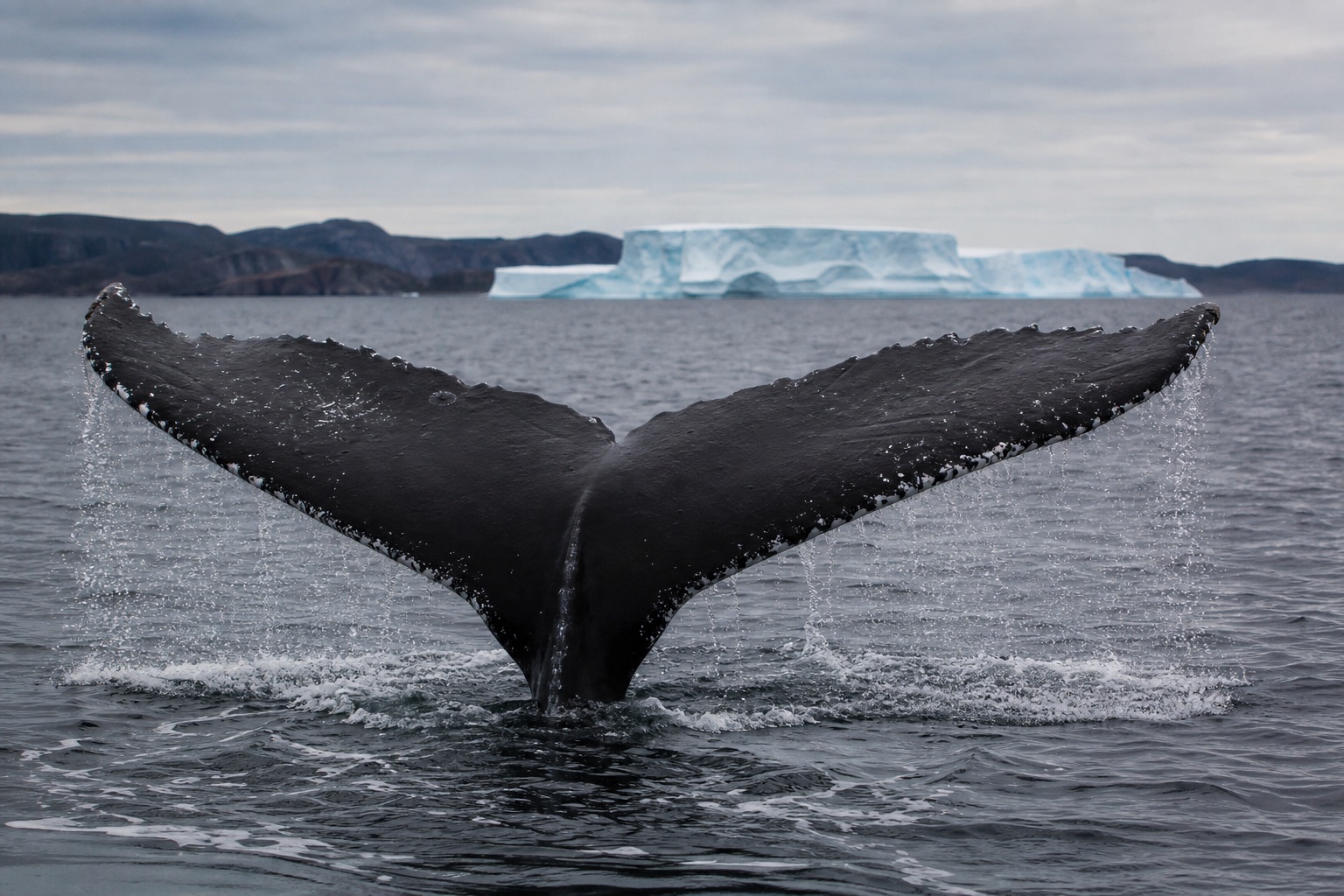
Whale Watching
A whale safari in Greenland is a boat trip on which the crew searches the surrounding waters for whales. It offers an opportunity to observe them at sea, but sightings can never be guaranteed.
Bookable trips
Whale Watching across Greenland
Choose your city and a local operator. Every trip is booked securely through adventures.gl.
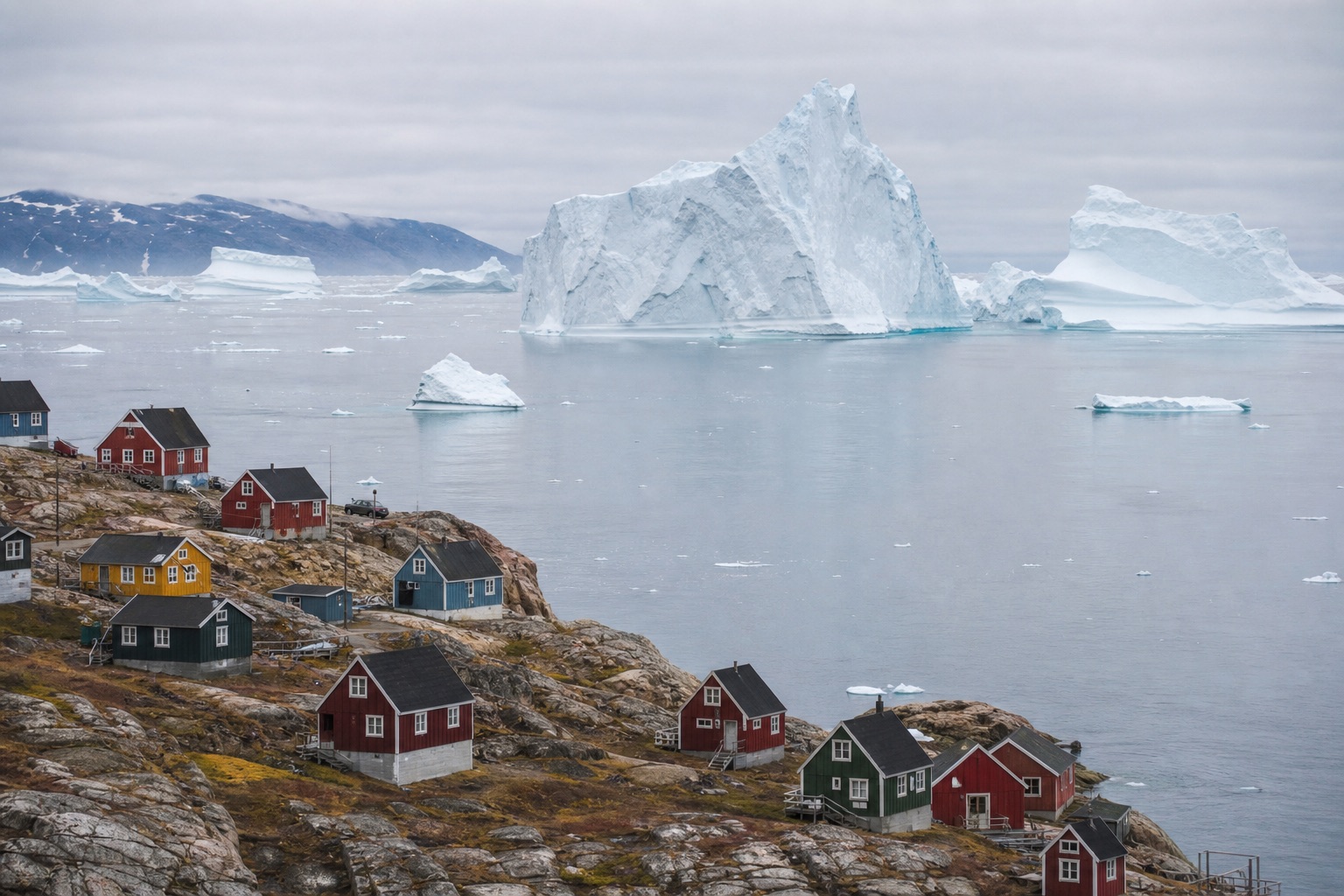
Ilulissat
Whale Watching
by Nuna Adventures
from
700 DKK
/ adult
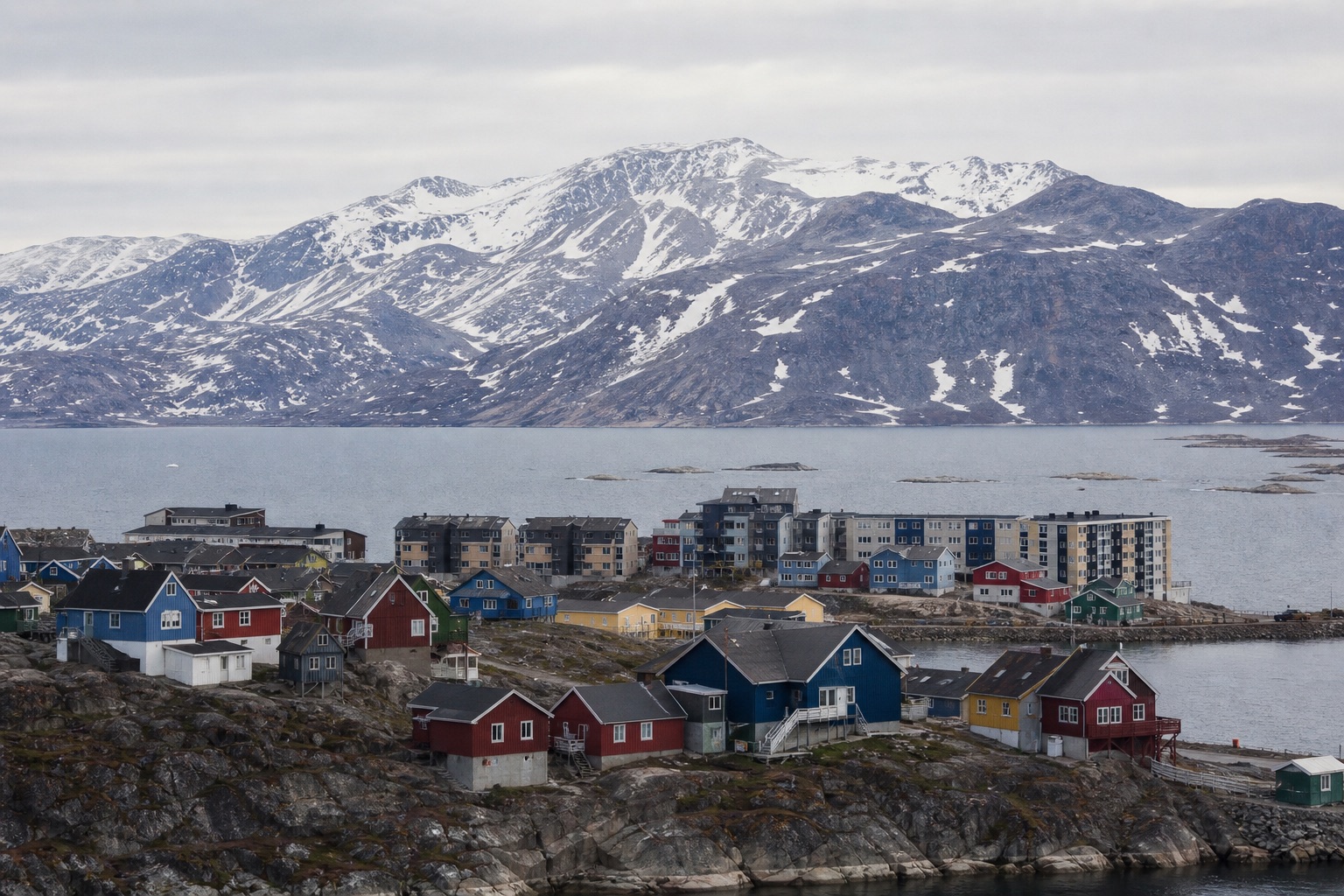
Nuuk
Whale Watching
by Anori Coast Expeditions
from
800 DKK
/ adult
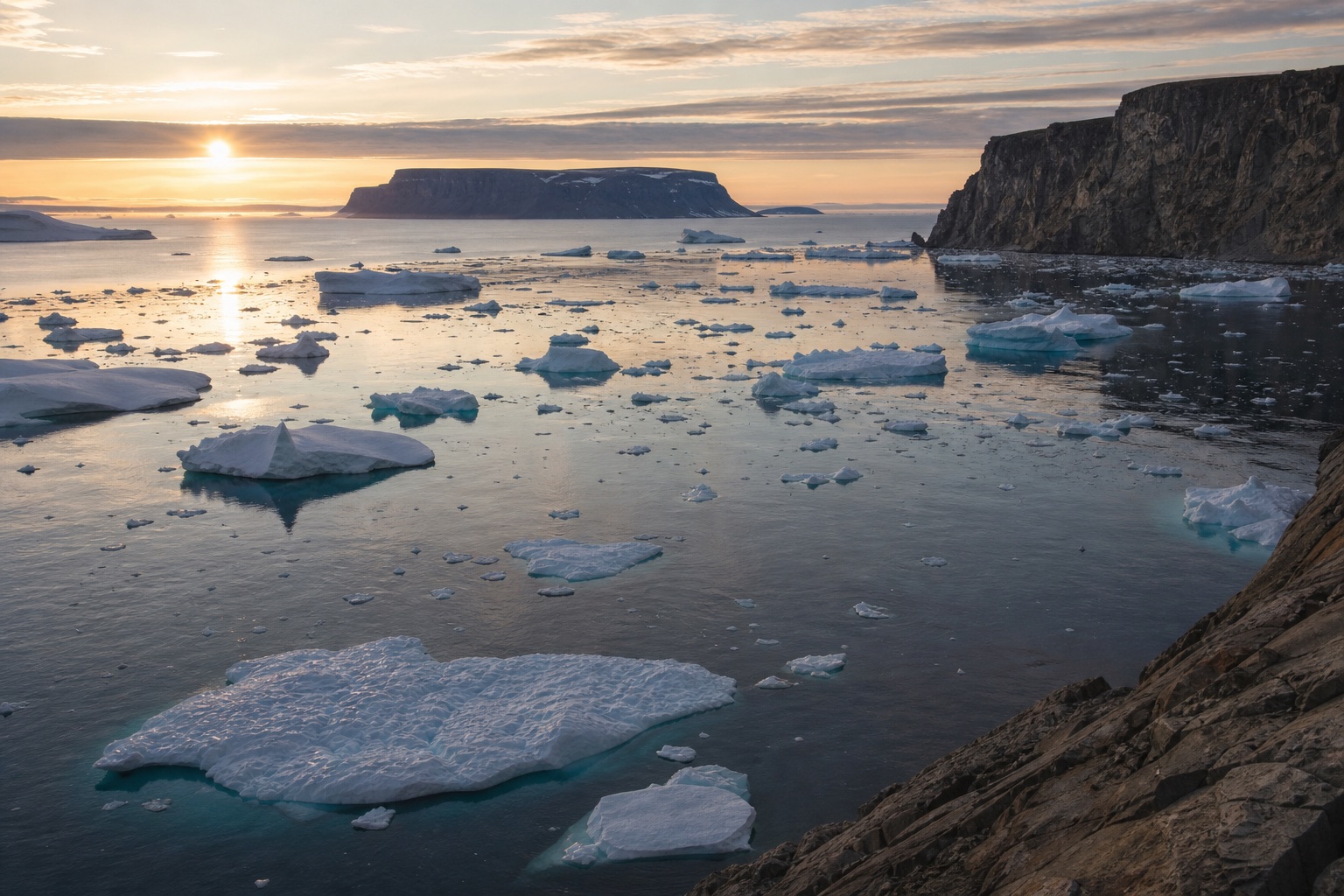
Disko Bay
Whale Watching
by Polar Circle Tours
from
650 DKK
/ adult
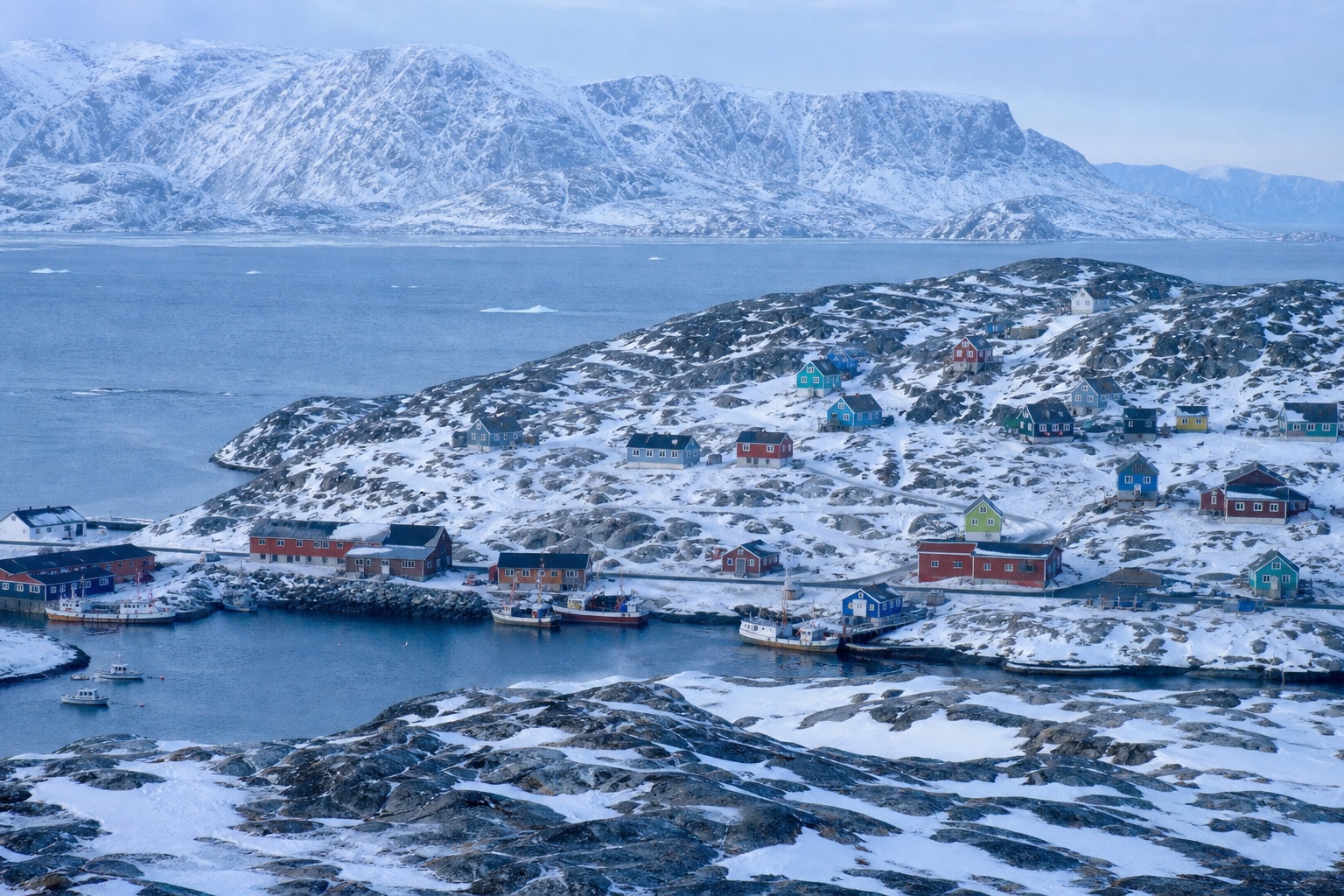
Sisimiut
Whale Watching
by Sermeq Tours
from
650 DKK
/ adult
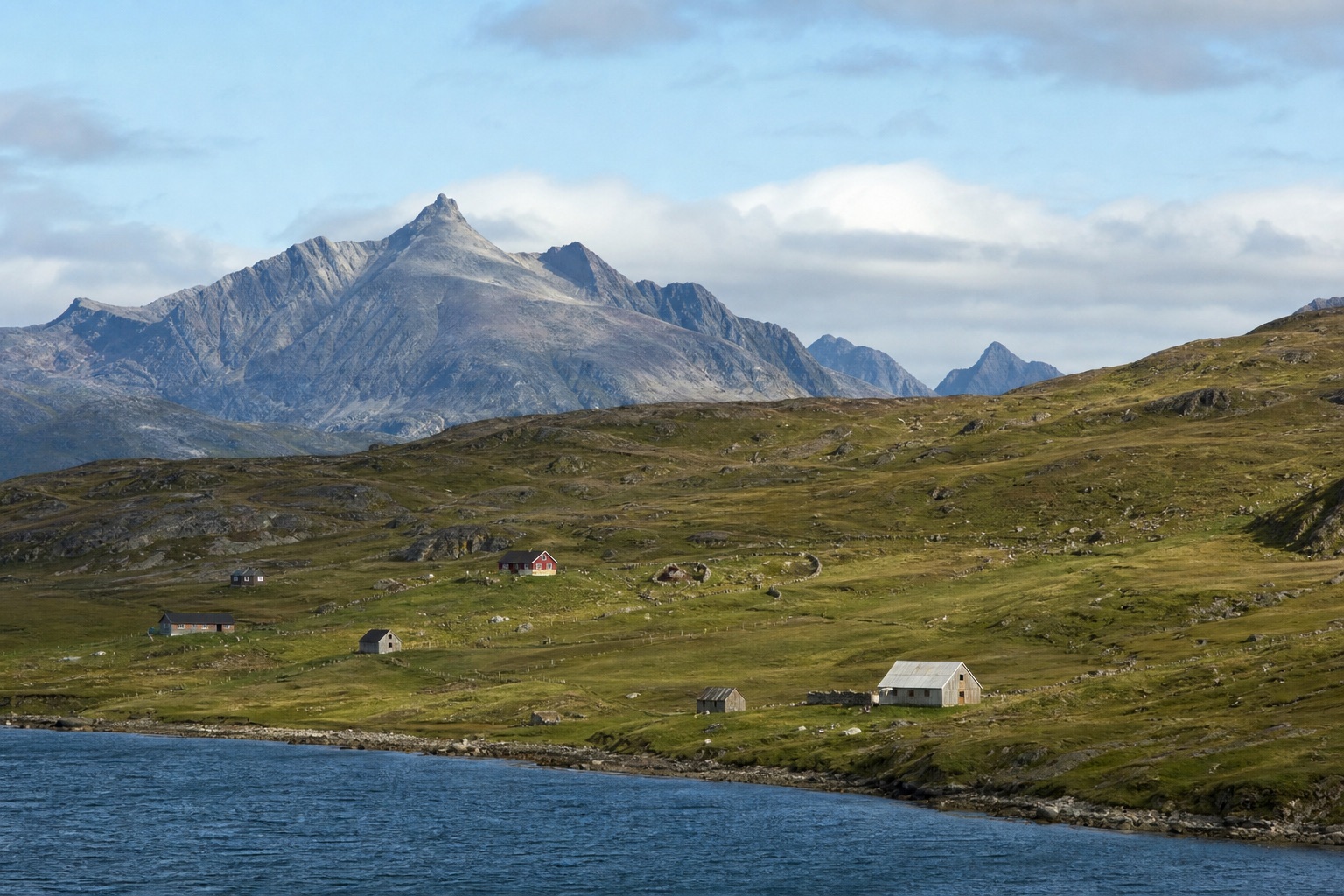
South Greenland
Whale Watching
by Aputsiaq Voyages
from
750 DKK
/ adult
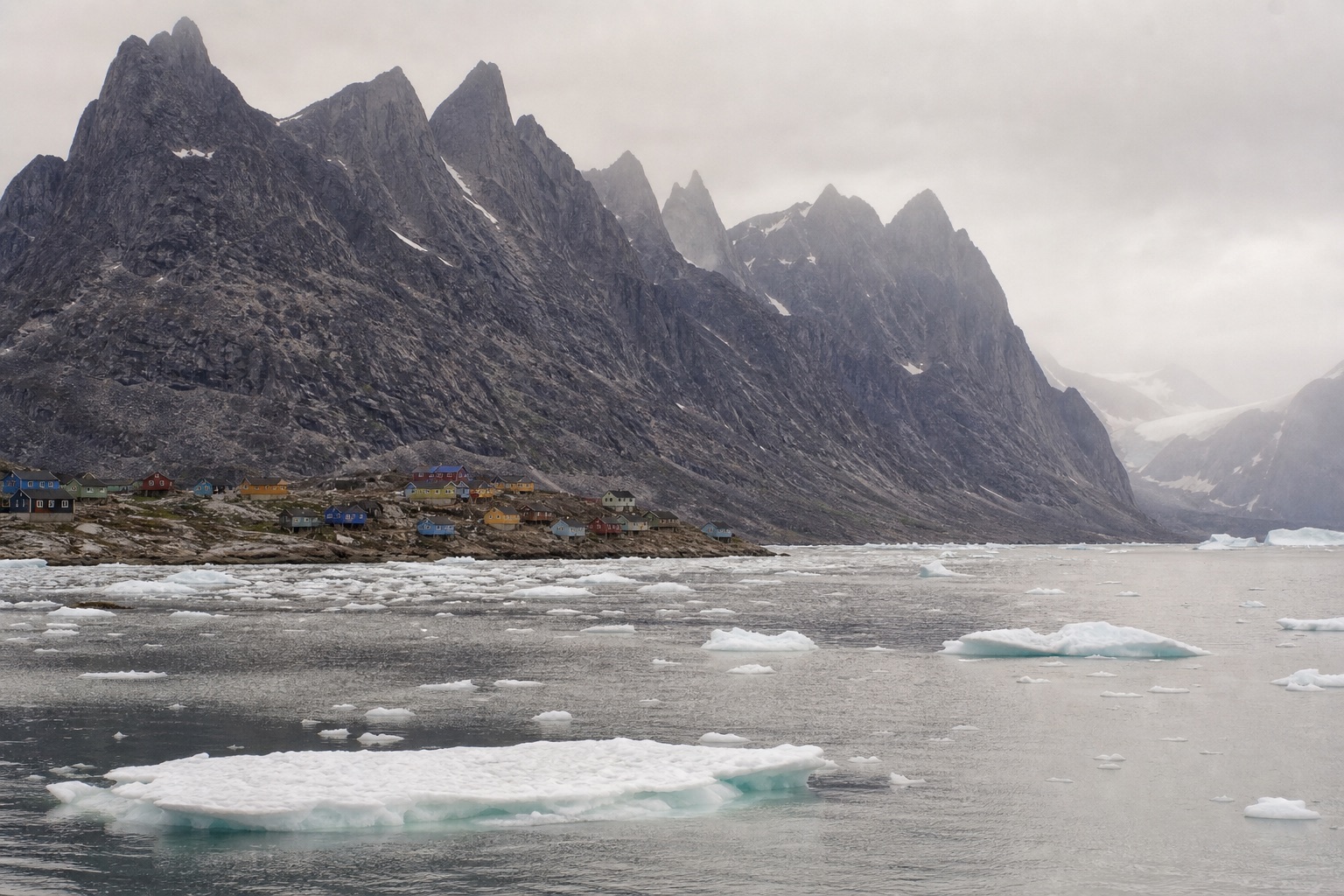
East Greenland
Whale Watching
by Sikuaq Ice Safaris
from
850 DKK
/ adult
What a whale safari involves
A whale safari is a boat trip organised around searching for whales and observing them at sea. The crew heads into local waters where whales may be present and keeps watch as the trip progresses. How far the boat travels and how long it remains in a particular area depend on the itinerary and the conditions that day.
A whale safari is not the same activity as a general boat tour. For example, a trip into the Ilulissat Icefjord is primarily about the icefjord and its icebergs, while a whale safari is planned around looking for whales. Both take place by boat, and either trip may include incidental sightings beyond its main purpose, but they should not be booked with the same expectations.
If seeing the icefjord is your priority, choose a trip described as an icefjord boat tour. If you want the available time to be used for searching for whales, book a dedicated whale safari. Where a description combines both activities, ask what the crew normally prioritises and how the time is divided.
Whale species and the season
Roughly 15 whale species occur in Greenlandic waters overall. This figure applies to Greenland as a whole; it does not mean that all 15 species are found at one destination, are present at the same time or can be encountered on a single trip. Greenland covers a large marine area, and information about the country’s waters should not be treated as a local sighting forecast.
The clearest seasonal period we can give is for Disko Bay, where humpback whales are present from mid-June to August. Whale safaris depart from Ilulissat, and our separate guide to whale safaris from Ilulissat covers that departure in more detail, including the local season, what to bring and the fact that sightings are never guaranteed.
For trips elsewhere in Greenland, read season information locally. The mid-June to August period for humpback whales in Disko Bay cannot automatically be applied to another part of the country. When comparing trips, check which destination, period and possible species the description actually refers to. A statement about Greenlandic waters overall is not the same as the likelihood of seeing a whale at a specific place and time.
Set realistic expectations
No whale safari can promise a sighting. Whales are wild animals, and a crew may search suitable waters without finding them, even during the stated season. A season indicates that a species is present in an area during a particular period. It does not mean that every boat will encounter that species on every departure.
We suggest treating the trip as a boat journey with an opportunity to observe whales, rather than as a booking for a particular encounter. If a trip description highlights one species, check whether it is explaining a seasonal possibility or making a guarantee. Planning should not depend on a promise that one particular species will appear.
Sightings may also be brief or take place at a distance. A whale does not have to remain near the boat, and it may submerge before everyone has taken a photograph. That is a normal part of whale watching. The crew can search the water, point out activity and handle the boat, but it cannot control how the animals move.
If a whale safari is an important part of your visit, avoid building the entire plan around one expected sighting. Having several days at the destination may also give you more flexibility if a departure changes. Each operator sets its own terms for changes, cancellations and refunds, so read those conditions before booking.
What happens during the trip
Before departure, the crew will normally provide practical information about the meeting point, the boat and safety on board. Listen to the briefing even if you have taken boat trips before. Boats differ, and the crew knows where passengers should sit or stand while that particular vessel is moving.
Once under way, part of the trip will be spent scanning the water. There may be extended periods without visible activity, which does not necessarily mean that the trip has failed. Searching an area takes time, and a whale can be difficult to spot from the passengers’ position.
Follow the crew’s instructions if they point out a direction or ask everyone to remain seated while the boat changes course. A whale safari does not follow the fixed sequence that might be possible on an excursion with scheduled stops. The route depends on whether activity is observed and where it occurs. This may result in more time spent travelling than watching, or in the boat changing direction during the trip.
Ask before booking if you need to know the approximate duration, type of boat, access arrangements or whether sheltered seating is available. These details vary between departures and cannot be inferred from the term “whale safari” alone.
Clothing and personal equipment
Greenland has an Arctic climate, and conditions on the water can feel different from those on land. Our general packing guide for Greenland covers layers, footwear and equipment for boat trips and whale safaris in more detail. At a minimum, footwear should fit securely and allow you to move safely on board.
Loose belongings should be packed away so that they are not left on the deck or held throughout the trip. If the operator provides specific safety equipment or outer clothing, use it as instructed by the crew.
For photographs, choose equipment that you can handle quickly and safely. Whales will not wait while lenses or cameras are changed, and the boat’s movement can make it difficult to manage a phone and additional equipment at the same time. Protect electronics from water and use a strap where it does not interfere with safety equipment. It is also worth looking directly at the water rather than spending the entire trip behind a screen; a sighting may be over while the camera is still being adjusted.
Bring only items allowed by the boat and operator. Check the rules for baggage, food and drink in advance, as space and arrangements on board vary.
Safety on the water
The crew’s instructions always take priority over getting a clearer view or photograph. Do not stand up, change seats or lean over the side without permission. Even in calm weather, a smaller boat moves when passengers shift their weight or when it meets waves.
Tell the operator before booking if anyone in your group has reduced mobility, is uncertain about boarding or leaving a boat, or has another need that may affect the trip. This allows the operator to establish whether the particular boat and departure are suitable. If you are travelling with children, ask about the requirements for that trip rather than assuming that every departure follows the same arrangements.
Anyone prone to seasickness should prepare for time on open water, including both travelling and waiting. If you are considering seasickness medicine, discuss the choice and its use with a pharmacy or doctor. During the trip, follow the crew’s advice about where to sit and how to move around the boat.
Weather can affect a departure, and the responsible crew makes the practical decision about whether to sail. A change does not necessarily indicate poor planning; sea conditions are part of operating boat trips in Greenland. Check for messages from the operator close to departure and make sure the operator has a way to contact you.
How to choose a whale safari
When we compare whale safaris, we start with the departure point, date and stated purpose of the trip. We then look at the approximate duration, boat type, number of passengers, clothing guidance, safety equipment and terms for changes. These practical details are often more useful than a long list of whale species, because a species list cannot tell you what will be seen that day.
Ilulissat is a specific departure point for whale safaris. If you are travelling there from mid-June to August, the presence of humpback whales in Disko Bay is relevant to your planning. Our dedicated page about whale safaris from Ilulissat covers that local departure in greater depth. The main point for a general Greenland trip is that the place and period must always be considered together.
Also note what a trip description leaves out. If it does not explain clothing, access arrangements or cancellation terms, ask before paying. If whale watching and another type of boat tour appear in the same description, confirm which activity is the priority. This matters particularly when your main reason for booking is either whale watching or visiting the icefjord.
A trip without a fixed outcome
Whale watching requires more patience than many excursions. You can choose an appropriate destination and travel during a relevant season, but you cannot reserve the presence of an animal beside the boat. That is the central condition of the activity.
We recommend choosing a trip with clear practical information, a season stated for the local area and a realistic description of possible sightings. In Disko Bay, humpback whales are present from mid-June to August, and Ilulissat provides a departure point that can be planned around that period. Other parts of Greenland must be assessed using their own local information. This keeps the figure of roughly 15 whale species in Greenlandic waters in context rather than turning it into a promise it was never intended to be.