How to use this packing list
Start with what you plan to do, not just the month in which you are travelling. A day in town, a hike and a boat tour can require different clothing even when they all fall within the same week. We recommend listing your planned activities first, then identifying which clothes and equipment can serve more than one purpose.
In Greenland’s Arctic climate, several adjustable layers are generally more useful than one very warm garment. Temperature is only part of the calculation: wind, precipitation, activity level and time spent on open water all affect what you need. Pack so that you can remove a layer while moving and put it back on during a break or while in transit.
This is a general, year-round overview rather than an activity-specific equipment list. Read the information supplied for each booked tour as well, and check before departure whether any specialist clothing or equipment is provided.
The basic three-layer system
Your base layer should be comfortable next to the skin and work beneath several combinations of clothing. Pack a top and, where appropriate, long underwear that remain comfortable over time and do not feel heavy when you warm up during activity. The number of sets you need depends on the length of the trip and whether you can wash clothes along the way.
The middle layer provides insulation. This might be a sweater, fleece or light insulated jacket that fits beneath your outer layer without restricting movement. On a trip combining town stays with excursions, it helps if this layer can also be worn by itself on calm, dry days.
The outer layer should protect you from wind and water. A wind- and water-resistant or waterproof jacket is more adaptable than a heavy jacket suited to only one set of conditions. For trips outside town, we also recommend trousers that can handle wind and rain. Both jacket and trousers should leave enough room for the layers beneath while allowing you to walk, sit and move your arms freely.
Try the full combination at home. A jacket that fits over a shirt may be too tight once an insulating layer is added. The same applies to trousers if you intend to wear a base layer underneath. How the complete system works matters more than any individual item.
Footwear for changing conditions
Sturdy waterproof footwear is one of the most broadly useful choices for Greenland. Shoes or boots should have stable soles and suit the ground you expect to cover. Waterproofing matters in rain, wet terrain and around the coast.
Break in your footwear before departure. A trip is not the right time to discover that a seam presses against your foot or that your heel slips. Wear the shoes on several longer walks at home, using the socks you plan to pack. You may also want a lighter pair for indoor use and short walks, but it should not be your only option if the itinerary includes hiking or extended periods outside.
Choose socks to suit both your footwear and planned activities. Several lighter pairs can be easier to use across a varied trip than relying only on very thick socks. On days when your feet may get wet, keep a spare dry pair in your day bag.
Packing for boat tours and whale safaris
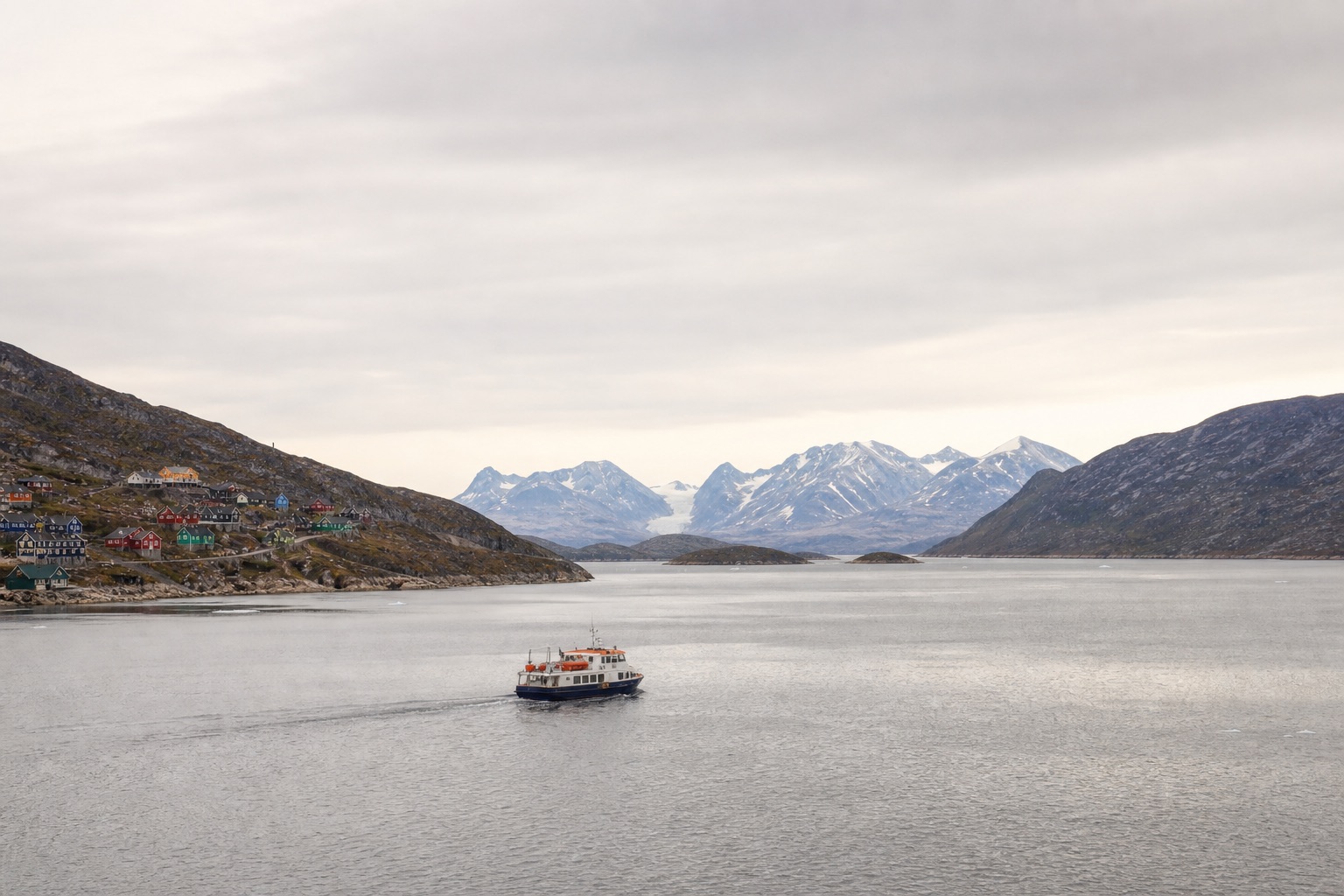
Boat tours and whale safaris can feel colder than time spent ashore, even in summer. Wind and proximity to ice mean that mild conditions in town are not a reliable guide to conditions on open water. Carry a warm middle layer and a wind-resistant outer layer even if you do not need them when you leave.
A hat and gloves take up little room and are sensible additions to your day bag. Sunglasses and sun protection are also useful. Keep phones, cameras and anything else that should stay dry in a water-resistant pouch or a separate compartment of your bag.
Use a bag that closes securely and avoid loose items. Ask whether the tour operator provides any special clothing, but do not pack on that assumption unless it is confirmed in your travel information.
Hiking from June to September
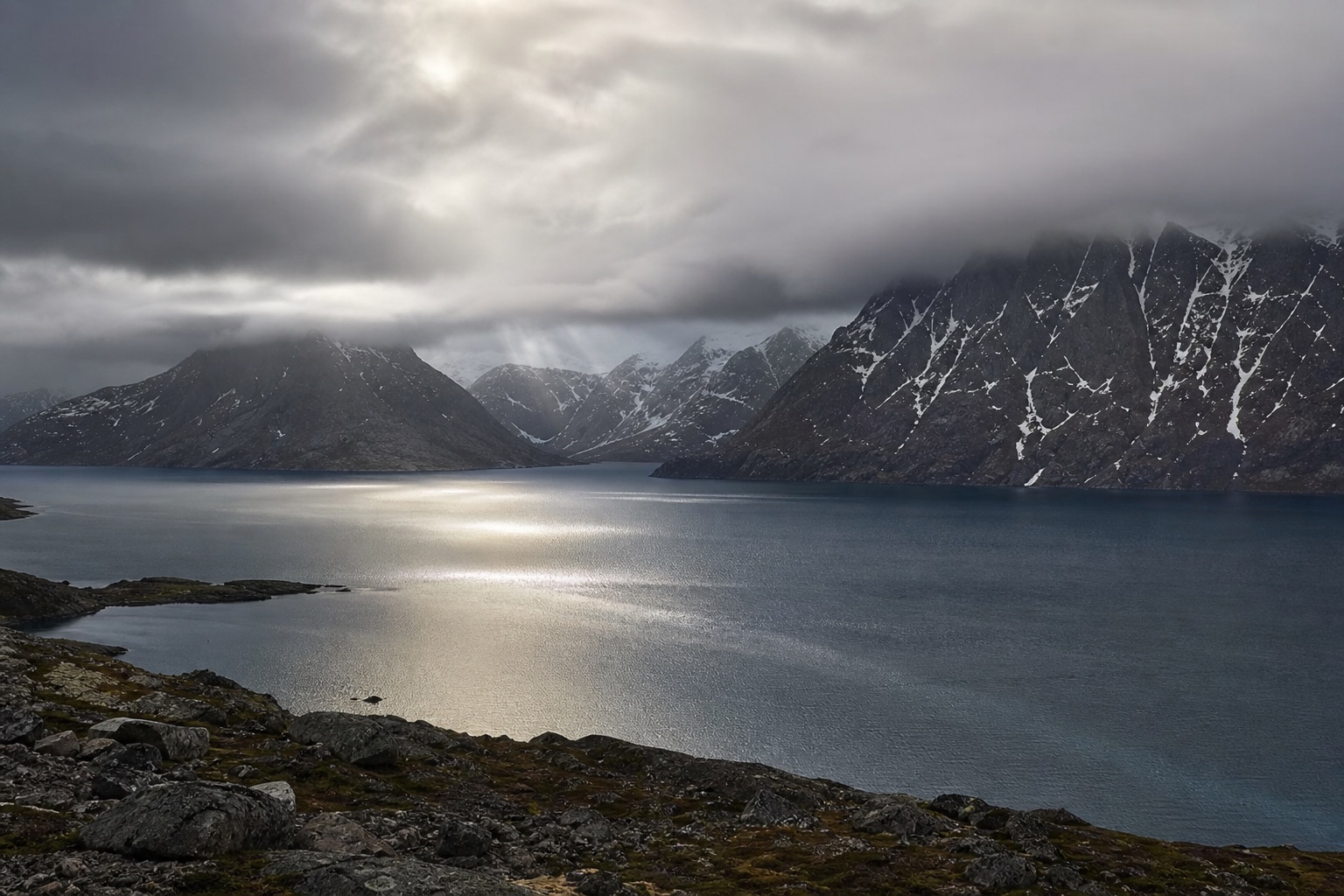
For hiking between June and September, bring sturdy, waterproof shoes or boots that are already broken in. Mountain and tundra weather can vary, so rain-capable layers and clothing you can adjust are more important than dressing only for the conditions in town when you set out.
A small backpack should have enough room for your outer layer, an additional layer, water, food for the walk and personal necessities. Check that it fits properly when full, not just when empty. A simple bag inside the backpack can keep spare clothing separate from damp equipment.
Do not take completely new footwear, an unused backpack or other essential equipment straight onto your first long hike. Test it beforehand. Try the jacket, backpack and headwear together as well, since straps and collars can interfere with each other.
The amount of spare clothing required depends on the route’s length and difficulty. Always follow the equipment list for your particular hike if it asks for more than this general overview.
Dog sledding needs a separate packing list
Dog sledding runs from January to April and requires a much more detailed cold-weather setup, so use our dog-sledding activity page for the complete winter packing list rather than relying on this overview. It is legally restricted to West Greenland north of the Arctic Circle and to East Greenland under the dog-line rule; it is not available in Nuuk, Qaqortoq or anywhere in South Greenland.
Clothes for towns and travel days
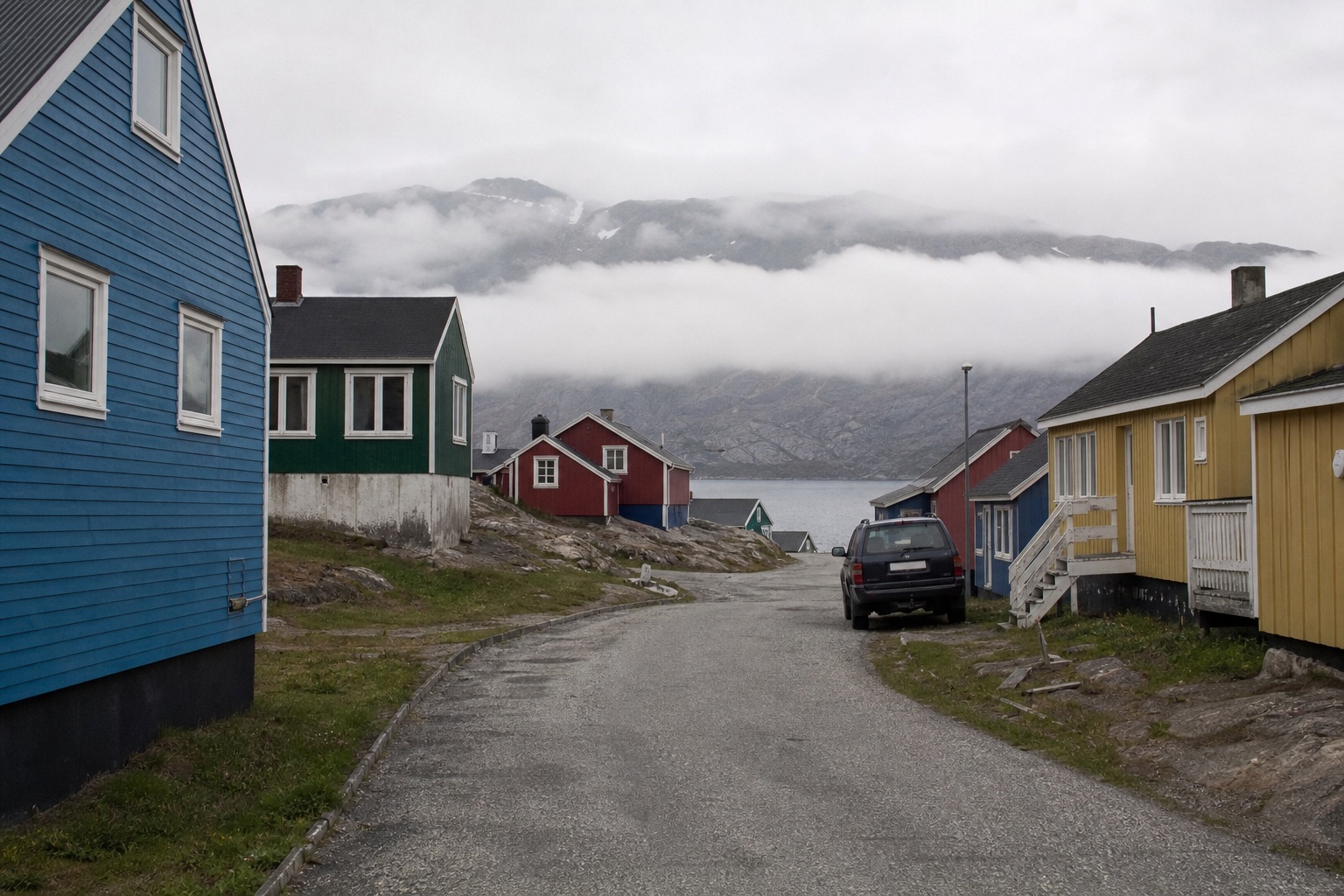
You will still use layers on days in town, although the clothing can often be simpler than for a longer excursion. Pack comfortable everyday clothes for indoor use and an outer layer that is easy to remove and put on again. A small day bag lets you carry an extra layer without taking your main luggage.
Flexibility is particularly useful on travel days. Wear clothes that work both inside and outside, and keep your jacket, essential medication, travel documents and other necessities within easy reach. If you are transferring between flights and other forms of transport, avoid packing every warm layer at the bottom of checked baggage.
Do not bring clothing only for scheduled activities. Keep one clean, dry set for quieter days and the journey home. The amount required depends on the length of your stay, but interchangeable pieces are usually more useful than a separate outfit for each day.
Head, hands and sun protection
A hat, gloves and a neck gaiter or scarf are small items that work across seasons and activities. They are especially useful on the water, in wind and during breaks. For an ordinary summer trip, they do not need to be bulky, but keep them in your day bag rather than your main luggage.
Sunglasses help when light reflects from water, ice or snow. Bring sunscreen and lip balm according to your own needs. A cap or other light head covering can be useful in dry weather, but it should not be your only option if the itinerary includes boat trips or cool conditions.
If you wear glasses, pack a rigid case and cleaning cloth. Contact lens users should bring their normal supplies and an alternative in case their eyes become irritated. This is standard travel preparation, but it can be overlooked when most of the packing discussion concerns boots and outerwear.
Your day bag and small essentials
Choose a day bag to match the length and type of outing. A small bag may be enough for a short day in town, while an excursion requires room for spare layers and personal equipment. It should close properly and remain comfortable when carried.
We recommend grouping small items into a few pouches instead of leaving everything loose. This makes it easier to find gloves, sunscreen, medication and cables without emptying the entire bag. A separate bag for wet or dirty clothing is also useful, particularly when you have more than one activity in a day.
A basic day-bag kit can include:
- a refillable water bottle
- sunglasses, sunscreen and lip balm
- personal medication
- a small first-aid kit suited to your needs
- tissues and hand sanitiser
- a bag for damp or dirty items
- a spare dry layer or pair of socks
- a phone, necessary cables and an optional camera
- travel documents or copies where relevant
Adjust this list each day. You do not need to carry every item at all times, but the essentials should be easy to move from your main luggage into the day bag.
Electronics and documents
Keep chargers, cables and any adapters together in one pouch, and check what your own equipment requires before leaving. If you are carrying a power bank or spare batteries, consult the airline’s current rules on capacity and where they must be packed. Requirements can vary by product and carrier, so we do not recommend relying on a general assumption.
Download or save essential travel information so that it remains available without an internet connection. This may include booking details, addresses, departure times and contact information provided to you. Keep your passport and necessary documents in a consistent place, preferably separate from loose receipts and other papers.
A camera is optional; a phone is enough for many travellers. Whichever you choose, make sure it can be put away during rain, on a boat and while in transit. Only bring equipment you are prepared to carry on excursions.
Medication and personal items
Bring enough regular medication for the whole trip, along with the documentation you normally carry when travelling. Do not place all essential medicine in checked luggage. If you have particular health requirements, discuss them with the appropriate professionals before departure.
Toiletries can be transferred into smaller containers where this suits the trip length and baggage rules. Pack the personal products you know you use rather than a large selection for hypothetical situations. This keeps the luggage manageable and leaves room for the layers that will matter during your outings.
Baggage allowances and weight
Check the baggage rules for your specific flights. Weight limits, dimensions and cabin-baggage requirements may vary by ticket and route. If your journey includes several connections, check every section rather than only the first flight.
Keep the most important items in your cabin baggage: documents, medication, valuables and at least one practical outdoor layer. Wearing heavy boots on the travel day can save luggage space if they are comfortable and suitable for the journey, but test the complete travel outfit at home first.
Leave some room in your bag. Completely full luggage is harder to organise, and damp clothes often take up more space when they cannot be folded carefully. Packing cubes or pouches can help, but keep the system simple enough that you can find what you need without unpacking everything.
Final check before departure
Review the packing list again a few days before you travel, comparing it with the latest weather information and the activities you have booked. Check in particular whether an operator requires specific footwear or clothing and whether any specialist equipment will be supplied.
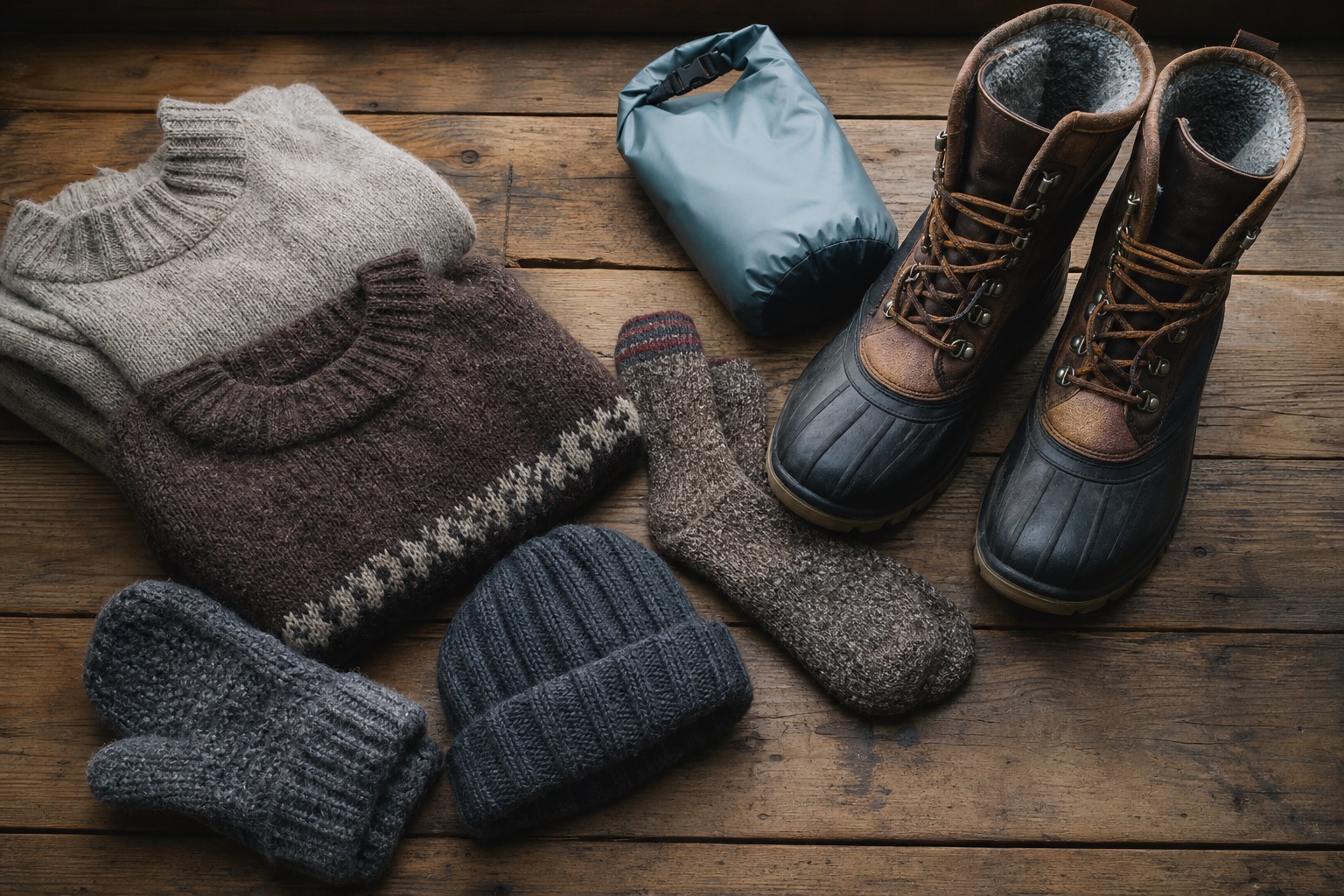
Lay out your clothing in complete combinations: a base layer, an insulating middle layer and an outer layer for wind and water. Make sure the pieces fit together and can cover travel days, time in town and planned excursions. Then add anything specifically required for a boat tour, whale safari or hike.
The short version of the general list is:
- body layers: a base layer, insulating middle layer and wind- and water-resistant outer layer
- sturdy, waterproof shoes or boots that are already broken in
- suitable socks and a spare dry pair for the day bag
- a hat, gloves and neck covering suited to the season and activity
- sunglasses, sunscreen and lip balm
- a day bag with room for spare clothing
- medication, documents and personal necessities
- a phone or camera with the necessary cables
- separate bags for dry and damp equipment
Treat this as a foundation rather than a fixed answer. For most trips to Greenland, the priorities are adjustable layers, dry footwear and the ability to respond to changing conditions. Add specialist equipment only according to the activities you will actually be doing.
Last reviewed July 31, 2026