
Northern Lights
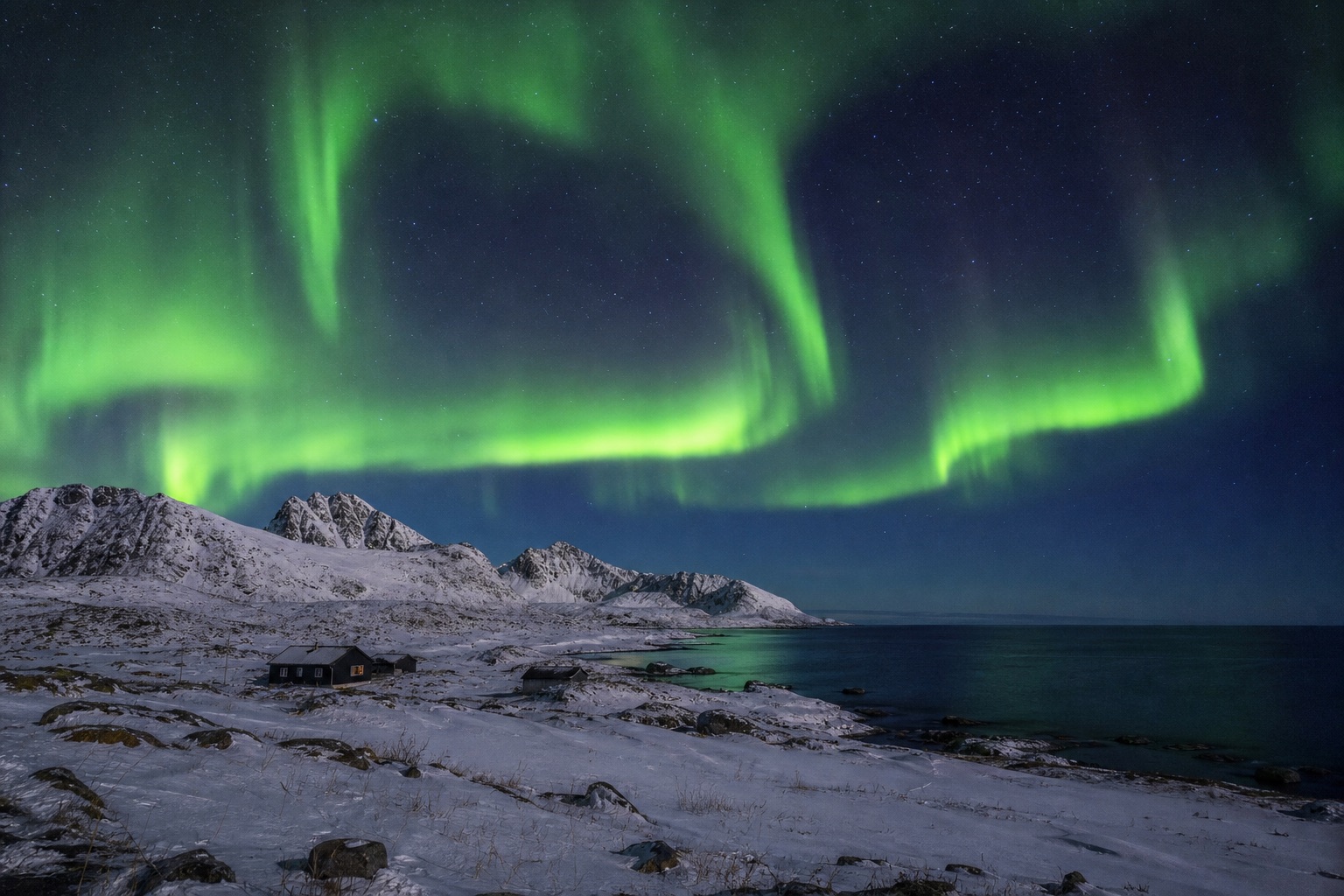
The northern lights are a natural phenomenon visible in Greenland’s night sky from September to April. Greenland’s high Arctic latitude, long winter nights and limited artificial light in many places provide favourable general viewing conditions.
Bookable trips
Northern Lights across Greenland
Choose your city and a local operator. Every trip is booked securely through adventures.gl.
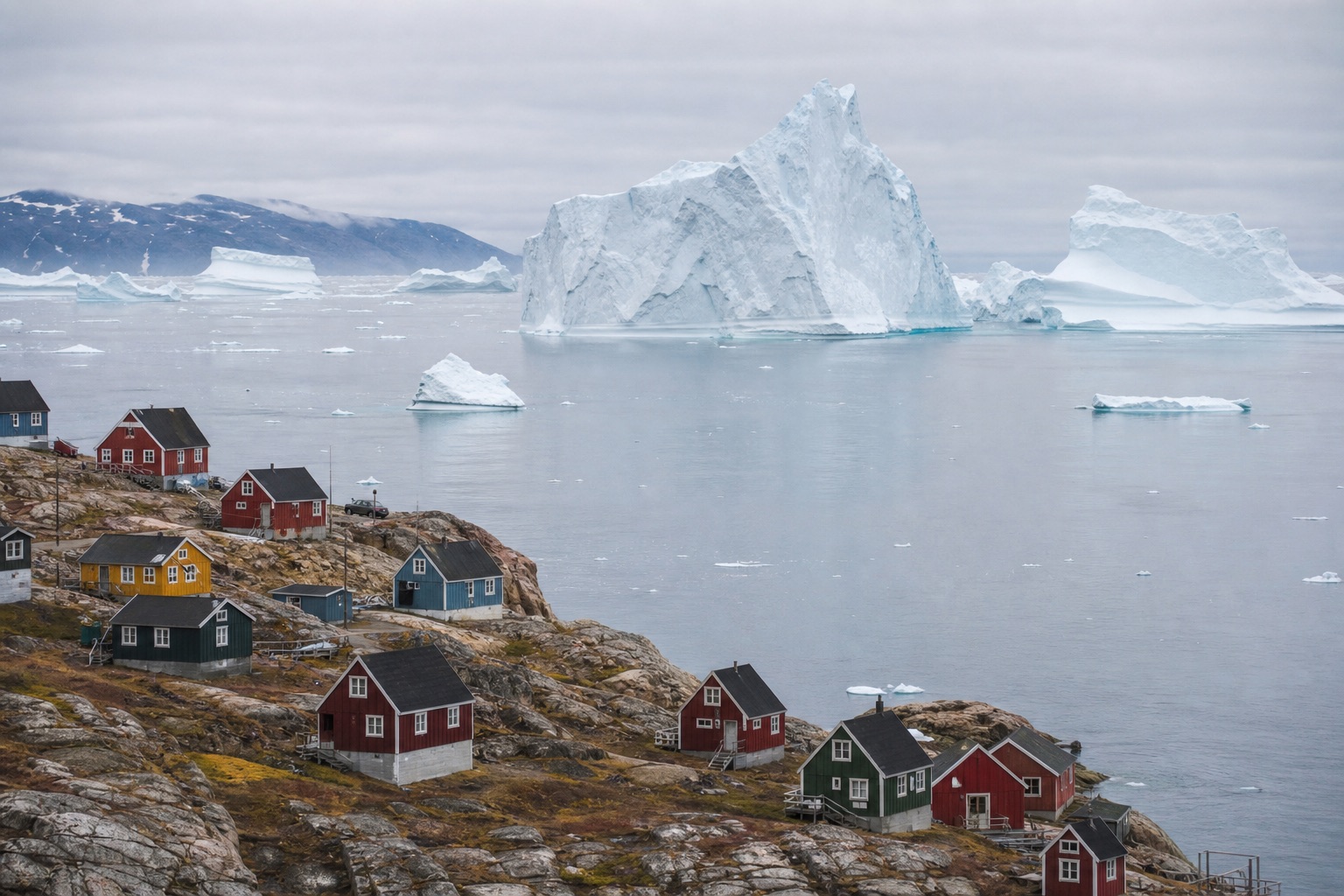
Ilulissat
Northern Lights
by Aputsiaq Voyages
from
550 DKK
/ adult
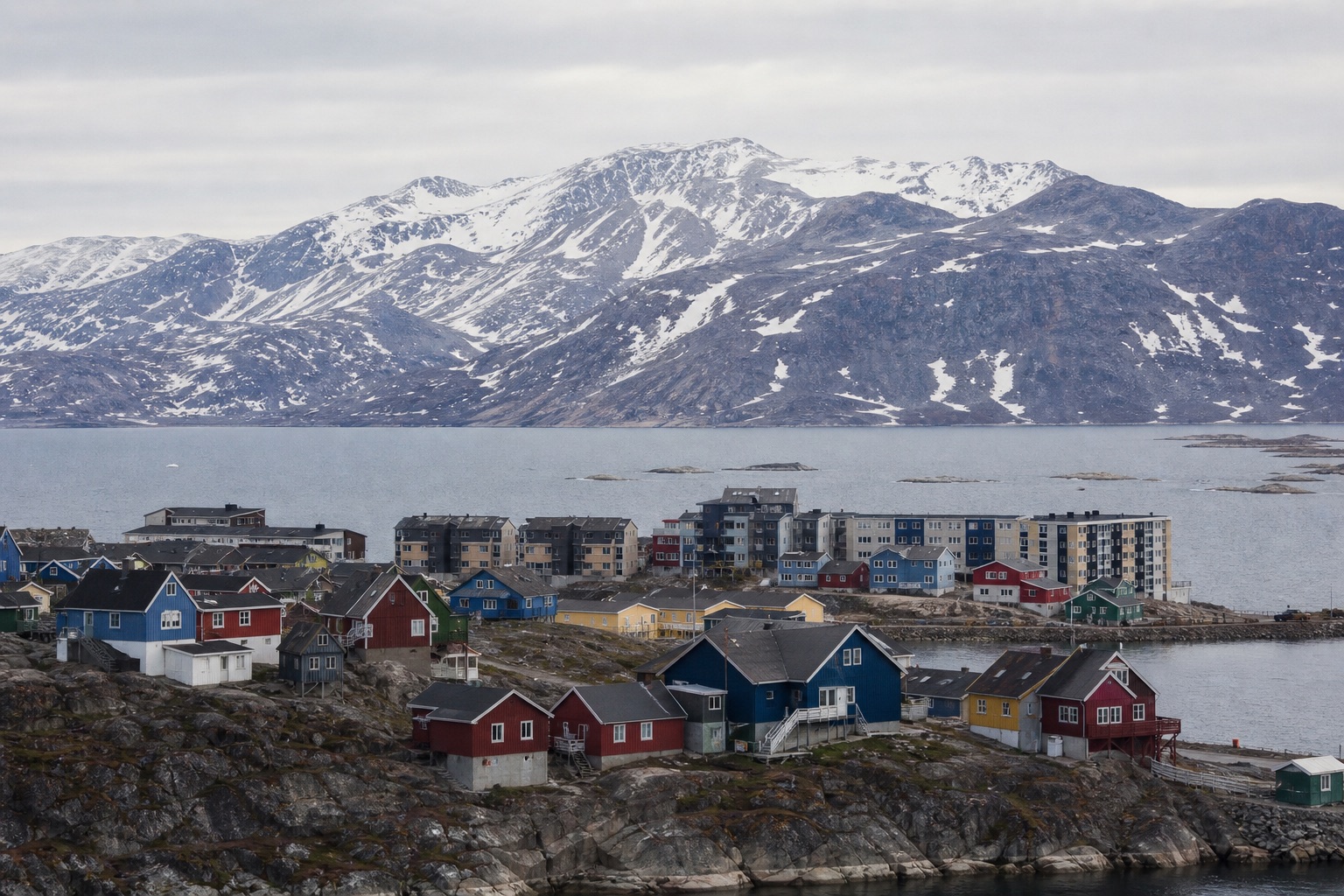
Nuuk
Northern Lights
by Nordbo Safari
from
600 DKK
/ adult
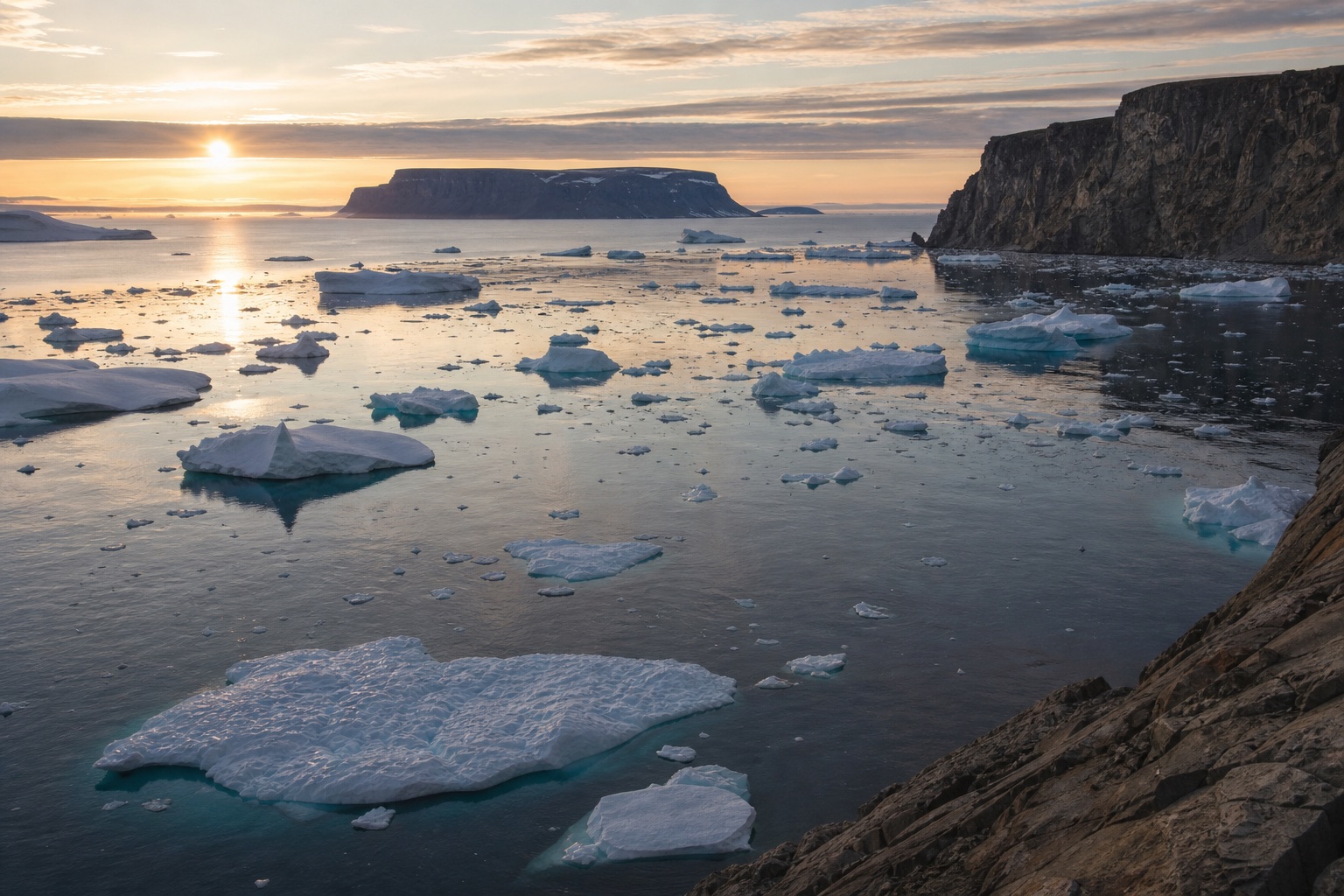
Disko Bay
Northern Lights
by Aputsiaq Voyages
from
550 DKK
/ adult
Sisimiut
Northern Lights
by Polar Circle Tours
from
450 DKK
/ adult
South Greenland
Northern Lights
by Anori Coast Expeditions
from
600 DKK
/ adult
East Greenland
Northern Lights
by Polar Circle Tours
from
450 DKK
/ adult
What the northern lights are
The northern lights are a natural light phenomenon that can appear in the night sky at northern latitudes. Their appearance varies from one occasion to the next. Some displays are clear, some are weak, and on many nights nothing is visible at all. It is better not to plan around one particular image or expect the sky to look like a photograph you have seen elsewhere.
In Greenland, we treat northern lights viewing as a winter activity rather than an attraction with set opening times. There is no admission to the phenomenon itself, and no guide, forecast or travel date can promise a display. A guided tour may help with location, timing and practical arrangements, but it cannot control the conditions.
We therefore recommend making the northern lights one possibility during a wider trip, rather than the sole purpose of one particular evening. Having several dark evenings available gives you more chances to find both clear skies and suitable aurora activity.
Northern lights season in Greenland
Northern lights are visible in Greenland from September to April. These months provide the darkness required to see them. At the beginning and end of the season, there are fewer dark hours than in the middle of winter, so the time of evening becomes more important.
A long season does not mean that every month or every night has the same conditions. Darkness is only one requirement. The sky must also be sufficiently clear, and aurora activity must be present while you are outside. Travelling in the middle of the season does not remove this uncertainty.
There is no need to choose the coldest part of winter solely for the northern lights. September, October, March and April are also within the normal viewing season. We suggest choosing your month according to the trip as a whole, the other activities you want to do and how many hours of darkness you prefer. The aurora does not follow a fixed calendar within the season.
Why Greenland has favourable viewing conditions
Greenland lies at high Arctic latitudes and has long, dark winter nights. Artificial light is also limited in many places, particularly away from settlements and illuminated areas. Together, these factors provide favourable general conditions when the sky is clear and aurora activity is present.
Favourable conditions are not the same as a guarantee. Greenland’s northern location does not mean the lights appear every night, and it does not make cloud cover less relevant. A continuous layer of cloud blocks the view of the sky regardless of how far north you are.
Artificial light is another practical consideration. It is easier to watch the sky without nearby streetlights or other strong lighting, but you do not always need to travel a long distance from a settlement. The location still needs to be safe and appropriate for local conditions. We do not recommend walking alone into unfamiliar terrain in darkness simply to avoid a few lights.
Clear skies matter more than a fixed schedule
Cloud cover is the most immediate limitation on any northern lights evening. The aurora may be active above the clouds without being visible from the ground. An ordinary weather forecast is therefore at least as relevant as information about expected aurora activity.
Conditions can change, so it helps to keep the evening flexible. If the sky clears earlier than expected, going outside then may be more useful than waiting for a planned time. Conversely, there is usually little reason to remain outside for hours beneath unbroken cloud solely because an aurora forecast has indicated possible activity.
There is no set daily time when the northern lights begin. This is not a departure for which you can arrive at a scheduled hour. We normally advise travellers to follow the sky, the local weather forecast and any guidance available at their destination. That is more realistic than organising the entire evening around a single reading on a screen.
Leave room for more than one evening
One of the most useful planning decisions is to keep several evenings available. This does not mean spending every night outside for hours. It means avoiding such a fixed itinerary that you miss a clear evening because northern lights viewing was scheduled for the following day.
On a short trip, cloud cover can last for the entire stay. That is a normal risk for any activity requiring an open view of the sky. A longer visit provides more opportunities, but still no certainty. We recommend treating northern lights viewing as one part of a winter stay alongside activities that do not depend on clear skies.
If seeing the aurora is a high priority, do not leave your only attempt until the final evening. A flexible first or second evening leaves time to try again. This simple approach is more useful than searching for a date that is supposedly certain to produce a display.
Going independently or with a guide
You can see the northern lights without joining an organised tour if the conditions are suitable and you have access to a dark, safe location. The main advantage of a guide is local knowledge. A guide can select an appropriate area, account for current conditions and help with the practical arrangements.
A tour cannot change the cloud cover or make the aurora appear. Before booking, check how cancellations or changes are handled when the weather is unsuitable. Expectations should also be clear: the purpose of the tour is to place you in a suitable location if the lights appear, not to sell a guaranteed sighting.
If you go independently, choose somewhere from which you can easily find your way back. Avoid unfamiliar routes in darkness. Distance from artificial light always needs to be balanced against safe access. A straightforward location near a settlement is often a better choice than a darker place you do not know.
Cold weather, waiting and transport
Northern lights viewing often involves standing still or moving very little. This makes the cold more noticeable than it would be during an active excursion. We advise wearing warm winter clothing in layers and protecting your hands, feet and head. The exact clothing required depends on the month, location and current weather, so this general guide is not an exhaustive packing list.
Plan how you will get indoors again before setting out. This is particularly important outside a settlement or when you depend on transport. A viewing evening should not be based on walking progressively farther away until the surroundings seem dark enough. Arrange transport and meeting points in advance, and follow local advice about where it is safe to go.
Nuuk has its own dedicated northern lights guide, which deals more specifically with the town’s artificial light and clothing for spending longer periods standing outdoors. The general advice here applies across Greenland, but access and local conditions differ from place to place.
Photographing the northern lights
If you want to take photographs, a stable camera or a phone with a suitable night function can help. A tripod makes it easier to keep the equipment still. Learn the basic settings before your trip so that you do not spend most of the evening working through menus and technical adjustments outdoors.
Keep batteries and other equipment protected from the cold as far as practical. Bring only what you expect to use, and check that you can operate it while wearing gloves. Photography should not distract you from safe movement or awareness of your surroundings.
We recommend looking at the sky first and taking photographs afterwards. A camera can be part of the evening, but it should not create an expectation of a particular image. Conditions differ each time, and there is little value in measuring one evening against pictures taken elsewhere or on another night.
Setting realistic expectations
A well-planned northern lights evening cannot be judged only by whether a strong display appeared. You may choose a suitable location, follow the weather and go out at a sensible time without seeing anything. That does not necessarily mean the planning was poor. Uncertainty is a basic part of the activity.
We never promise northern lights on a particular date. The most practical advice is to travel between September and April, allow several possible evenings, monitor cloud cover and choose a dark but safe place. Greenland’s high Arctic latitude, long winter nights and limited artificial light in many areas provide favourable general conditions, but each evening still depends on darkness, clear skies and aurora activity.
When all three conditions coincide, the lights can be seen without an elaborate programme around them. When they do not, changing the plan is usually more sensible than assuming that waiting longer will guarantee a display later. This is the most realistic way to plan for northern lights viewing in Greenland.