
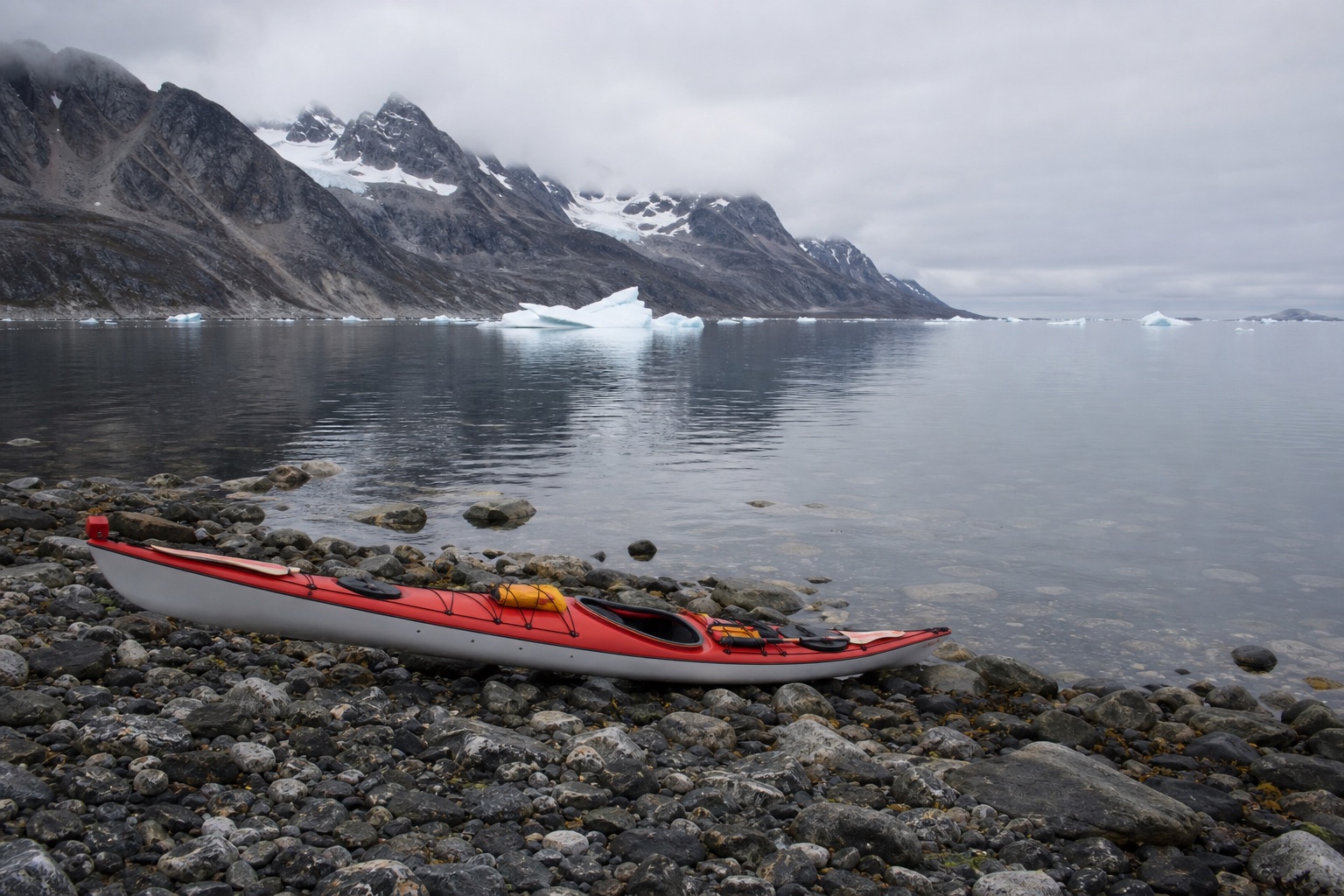
Kayaking
Kayaking in Greenland is a summer activity from June to September, with trips adjusted to experience, wind and currents in the fjords. Choose it to see the coast from the water and understand the Greenlandic background of the qajaq.
Bookable trips
Kayaking across Greenland
Choose your city and a local operator. Every trip is booked securely through adventures.gl.
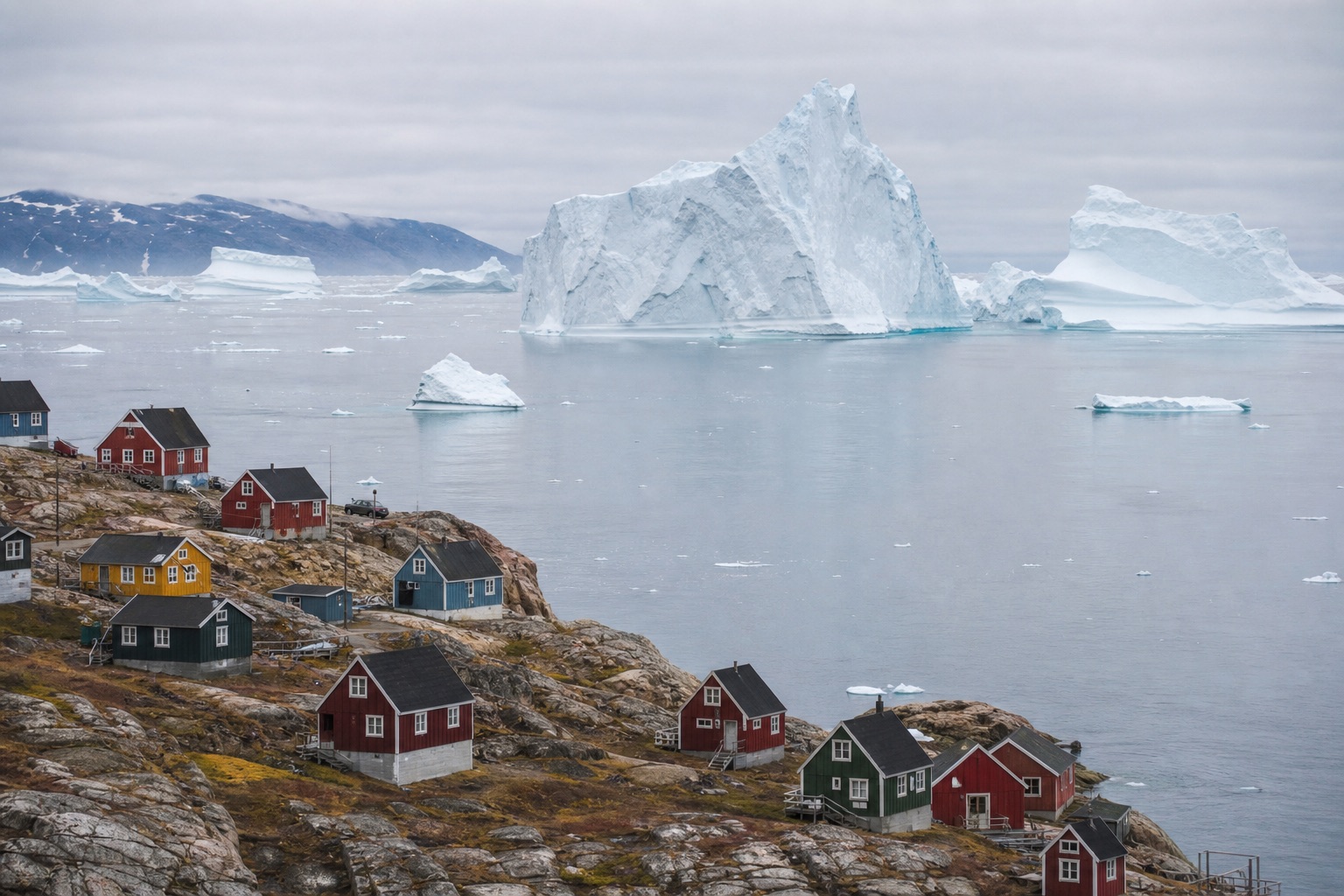
Ilulissat
Kayaking
by Anori Coast Expeditions
from
900 DKK
/ adult
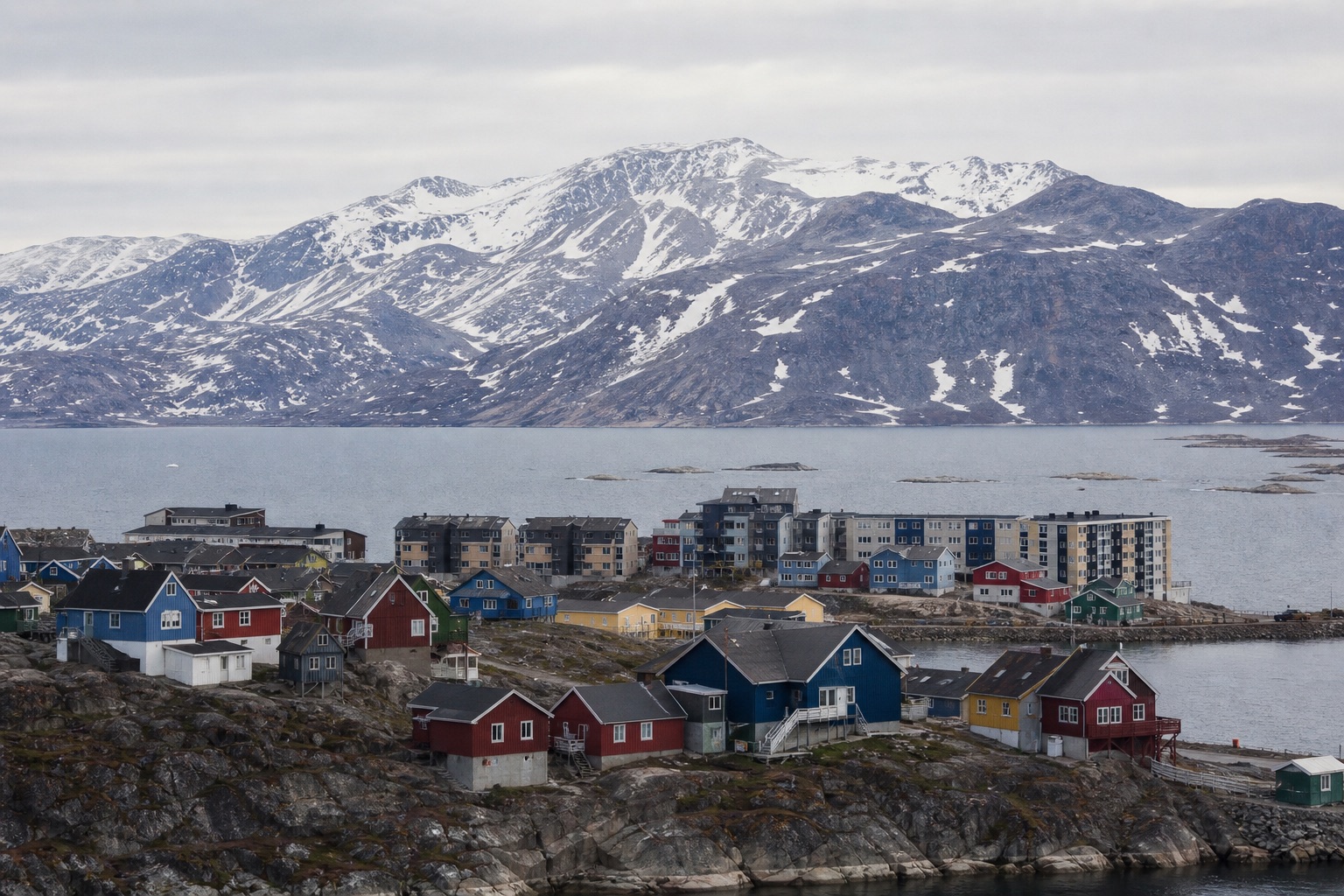
Nuuk
Kayaking
by Anori Coast Expeditions
from
900 DKK
/ adult
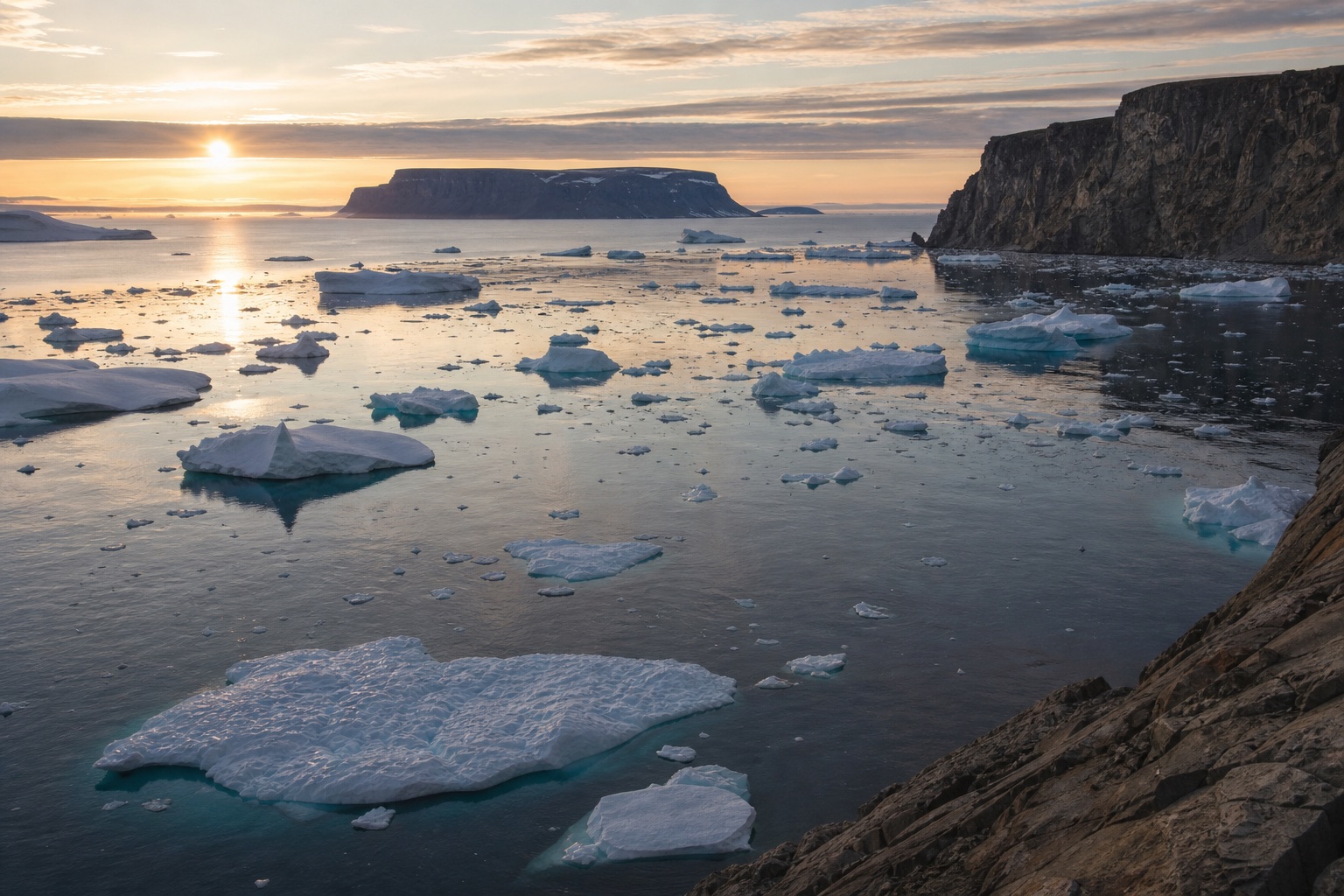
Disko Bay
Kayaking
by Polar Circle Tours
from
750 DKK
/ adult
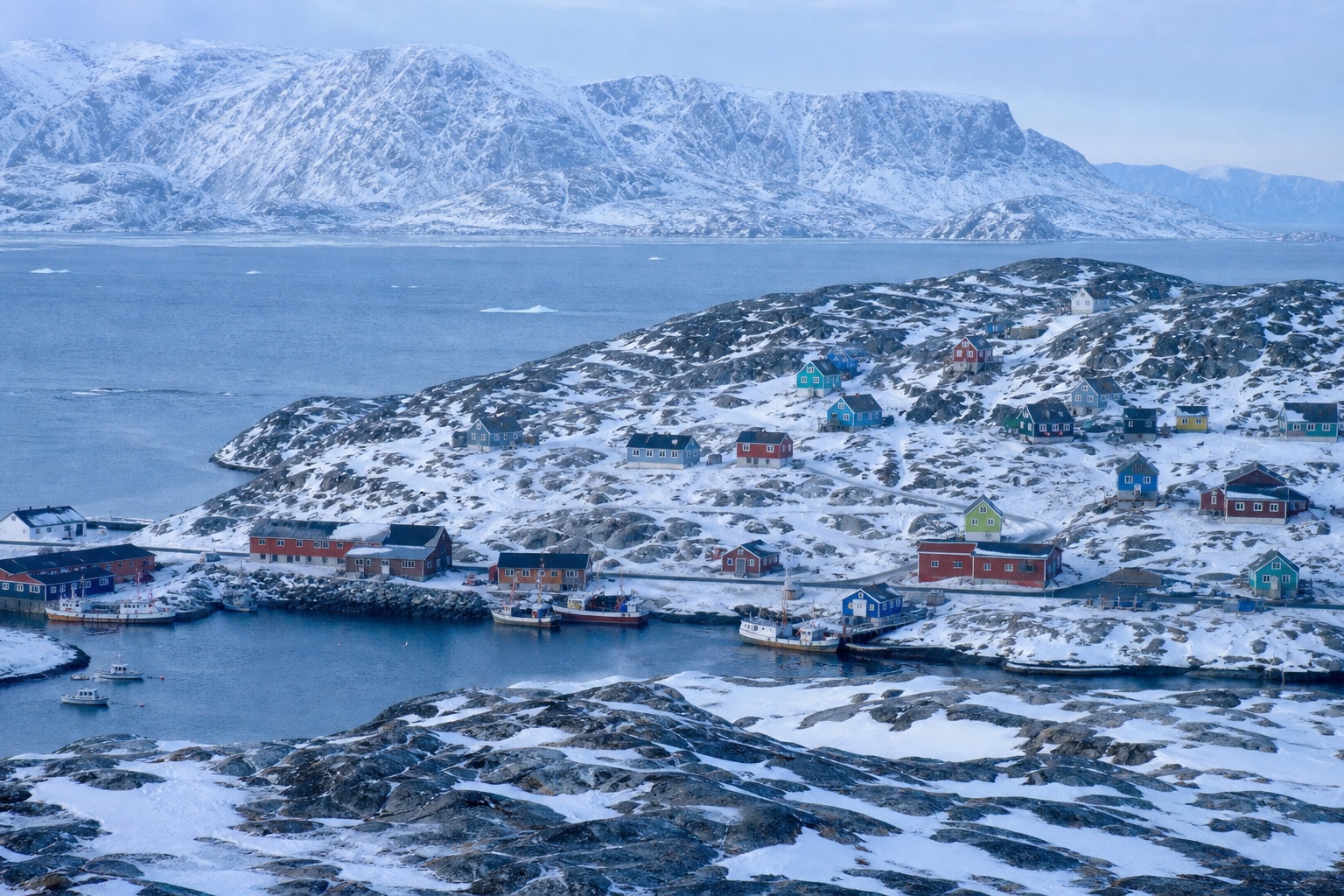
Sisimiut
Kayaking
by Sikuaq Ice Safaris
from
950 DKK
/ adult
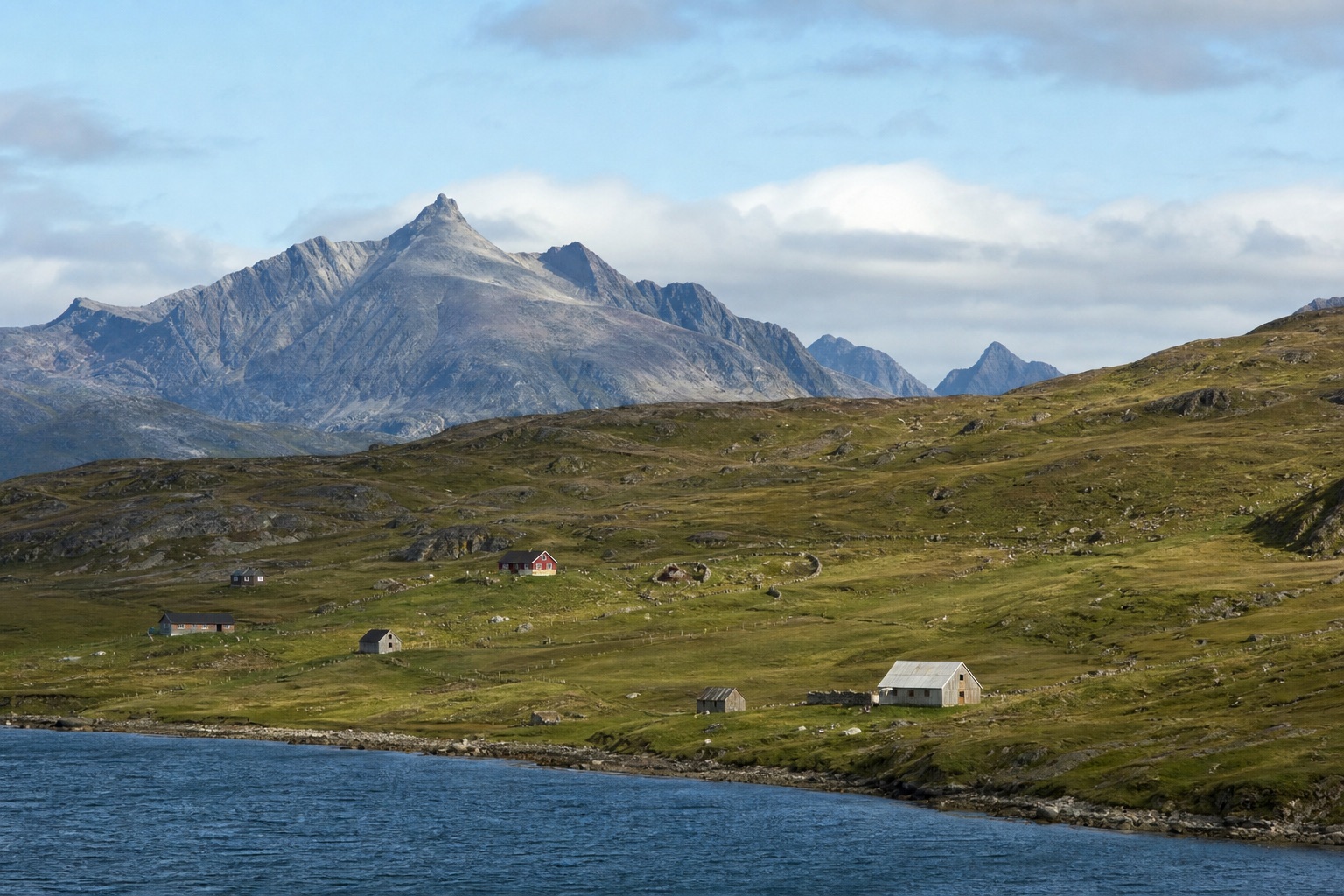
South Greenland
Kayaking
by Kalaallit Journeys
from
800 DKK
/ adult
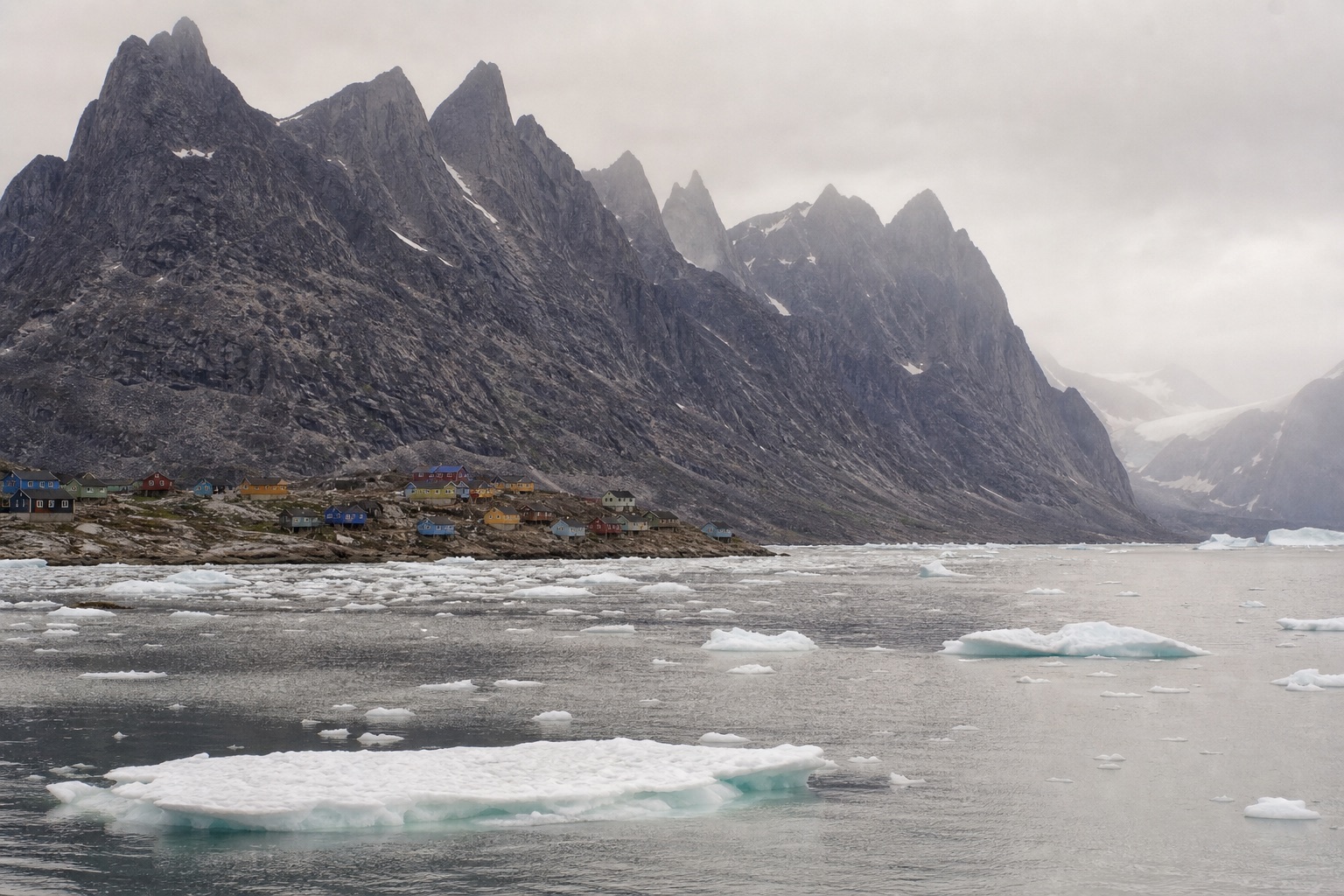
East Greenland
Kayaking
by Sikuaq Ice Safaris
from
950 DKK
/ adult
Kayaking in Greenland
Kayaking fits Greenland’s coasts and fjords, but conditions are different from those on a sheltered lake. The water is cold, the wind can change, and currents vary between fjords and along a route. Unless you have solid sea-kayaking experience and have checked the local conditions, we generally recommend joining a guided trip.
Previous experience is not required for every trip. Tours are available for different ability levels, and a short introductory outing is usually the most practical option for a first-time paddler. More experienced paddlers may prefer a longer trip, but distance should not be the only consideration. Wind, current, temperature and the overall ability of the group matter more than the planned number of kilometres.
When we advise travellers about kayaking, we first consider experience, followed by destination, date and preferred duration. A trip that works well for one person may not be suitable for another.
Kayaking season: June to September
The kayaking season in Greenland normally runs from June to September. Trips should be planned within this period, but a date in the season does not guarantee calm conditions. Greenland has an Arctic climate, and changes in wind or temperature may affect the day’s plan.
June and September fall at opposite ends of the season, while July and August are in the middle. Whatever the month, leave room in the itinerary for a trip to be moved, shortened or cancelled. That is a normal precaution for an activity on the water, not a sign that the trip was planned badly.
If kayaking is an important part of your visit, we recommend scheduling it early in your stay. This leaves a better chance of finding another day if conditions are unsuitable on the original date. On a short visit, avoid building the entire itinerary around one weather-dependent activity.
Choose a trip that matches your experience
An honest assessment of your experience is the starting point for choosing a kayaking trip. Tell the guide whether you have never sat in a kayak, have paddled only on calm inland water, or have sea-kayaking experience in variable conditions. This helps determine an appropriate duration, pace and level of instruction.
For beginners, a short guided trip is normally the clearest starting point. The introduction should allow time to cover entering and leaving the kayak, seating position, paddle use and the signals followed by the group on the water. The purpose is not to travel as far as possible. It is to follow the instructions and stay together as a group.
Paddlers with some experience should not automatically select the longest option. Experience from warmer water or sheltered lakes does not transfer directly to Greenlandic fjords. Cold, wind and current affect both pace and safety. Experienced paddlers should also follow the local assessment of the route and conditions, even when their technical ability is high.
Families and people travelling with children should ask about the requirements of the specific trip. Age is not the only consideration. Height, endurance, previous experience and the ability to follow instructions may all affect whether a trip is suitable. We recommend clarifying this before booking rather than waiting until check-in.
Dress for cold water
The water around Greenland remains cold during the kayaking season. Clothing should therefore be chosen for the water temperature, not only for the air temperature on land. A day that feels mild at the departure point may still require clothing intended for cold-water conditions.
On a guided trip, follow the guide’s instructions regarding clothing and safety equipment. This will normally include clothing suitable for the conditions and personal flotation equipment. Ask in advance what is provided and what you need to bring yourself. Ordinary rainwear or warm everyday clothing is not necessarily sufficient as the only protection on the water.
Bring a dry change of clothes for after the trip, even if you are booking a short outing. Pack it so that it remains dry. Sun protection can be relevant on clear days, while a hat and gloves may be needed when the air is cold. The exact packing list depends on the destination, date and type of trip, so confirm it before departure.
If you are unsure whether your own clothing or equipment is appropriate, do not guess. Describe what you have and ask the guide before the trip begins.
Wind and current determine the route
A fjord may look calm from the shore without having the same conditions throughout the planned route. Wind direction, current and local conditions affect where a group can paddle safely. The final route is therefore often decided on the day.
We recommend treating the route as a plan rather than a promise to reach a particular point. A guide may keep the group closer to the departure area, change direction or turn back earlier than expected. This is a professional assessment and should be respected. A trip may also be cancelled even when the weather on land appears acceptable.
Stay with the group and follow the agreed signals. Do not paddle away to take photographs or try to reach a place outside the guide’s plan. Cameras and phones should only be used when the situation allows, without losing attention to the group, wind or direction of the kayak.
Why we recommend a guided trip
Local knowledge matters in Greenlandic waters. A guide can adjust the route and pace to the day’s wind and current as well as the experience of the participants. This does not remove every risk, but it provides a more controlled setting than setting out without knowledge of the area.
A guided trip is particularly relevant if you do not know the local waters or have little experience of cold conditions. It also makes it easier to resolve practical questions about clothing, equipment and participation requirements. Before booking, mention any health condition, limited mobility or other issue that could affect your ability to sit in the kayak and remain with the group.
Experienced sea kayakers considering an independent trip should obtain a specific local assessment. General sea-kayaking experience does not replace knowledge of the particular fjord, current wind direction or current. You should also have a realistic plan for communication, changing weather and a situation in which the trip needs to be abandoned.
The kayak's Arctic and Greenlandic background
The kayak is a vessel type with roots in Arctic hunting culture, found in several places across the Arctic region. In Greenland specifically, it was historically developed and used by Greenlandic Inuit for hunting, and it has a specific place in Greenlandic history and culture here. It is not simply a modern visitor activity that was later brought here.
The historical qajaq and the kayak used on a present-day guided trip should not be treated as the same thing. A modern excursion is organised as an instructed activity with defined safety procedures. Historically, the qajaq was connected to hunting and local skills. We advise keeping that distinction clear rather than making the history more romantic or straightforward than it is.
If a guide or local introduction covers this background, it is worth paying attention to the Greenlandic terminology and explanation. Qajaq is not merely an alternative spelling. It is the Greenlandic word from which the international term “kayak” derives.
What to ask before booking
Before booking, confirm the approximate duration, expected ability level and requirements for previous experience. Ask how much time is allocated to instruction and whether the stated duration includes preparation on land. This makes it easier to compare trips without looking only at the total number of hours.
We recommend getting clear answers to the following questions:
- What previous kayaking experience is expected?
- Which clothing and safety equipment are provided?
- What do participants need to bring themselves?
- How will changes or cancellations be communicated?
- Are there specific requirements concerning age, height or physical fitness?
- How early should participants arrive before departure?
- Can dry spare clothing be stored during the trip?
The answers should apply to the particular trip you are considering. A packing list from another destination or an earlier journey will not necessarily cover the conditions here.
It is also useful to explain your experience in practical terms. Saying that you have paddled before gives less information than stating whether that experience was on a sheltered lake, calm coastal water or at sea in changing conditions. The same applies to fitness: the relevant question is whether you can remain seated, use your upper body and follow the group for the planned period.
Fitting kayaking into your itinerary
Kayaking works best when the itinerary has some flexibility around it. Where possible, do not schedule the trip immediately before a flight or another arrangement that cannot be moved. Weather-dependent activities require room for changes, and these are easier to manage when the rest of the day is not tightly planned.
Take the physical effort into account as well. Even a beginner trip requires you to sit in the same position and use your upper body for a period of time. If your journey includes several physically demanding activities, it may be sensible to spread them across different days.
If you do not know how you respond to cold or to conditions on the water, our general advice is to choose a trip slightly shorter than your maximum ambition. This usually provides a better margin than booking according to the distance you hope to cover.
A longer trip is not automatically the better option. The appropriate choice is the one that matches your current experience, allows time for instruction and leaves enough capacity to respond to changing wind or current. The guide may still adjust the plan once the group and conditions have been assessed.
In brief
Greenland’s kayaking season runs from June to September. Choose a guided trip suited to your actual experience, and expect wind and current to affect the route, timing or whether the trip can operate. Wear clothing intended for cold-water conditions, follow the guide’s instructions and bring dry spare clothes.
The kayak’s Arctic and Greenlandic background gives the activity a historical context, but a modern trip should be selected on the basis of safety, ability and local conditions. If kayaking matters to your journey, plan it early in your stay so that another day may be available. Confirm all practical requirements, supplied equipment and participation conditions before booking.