
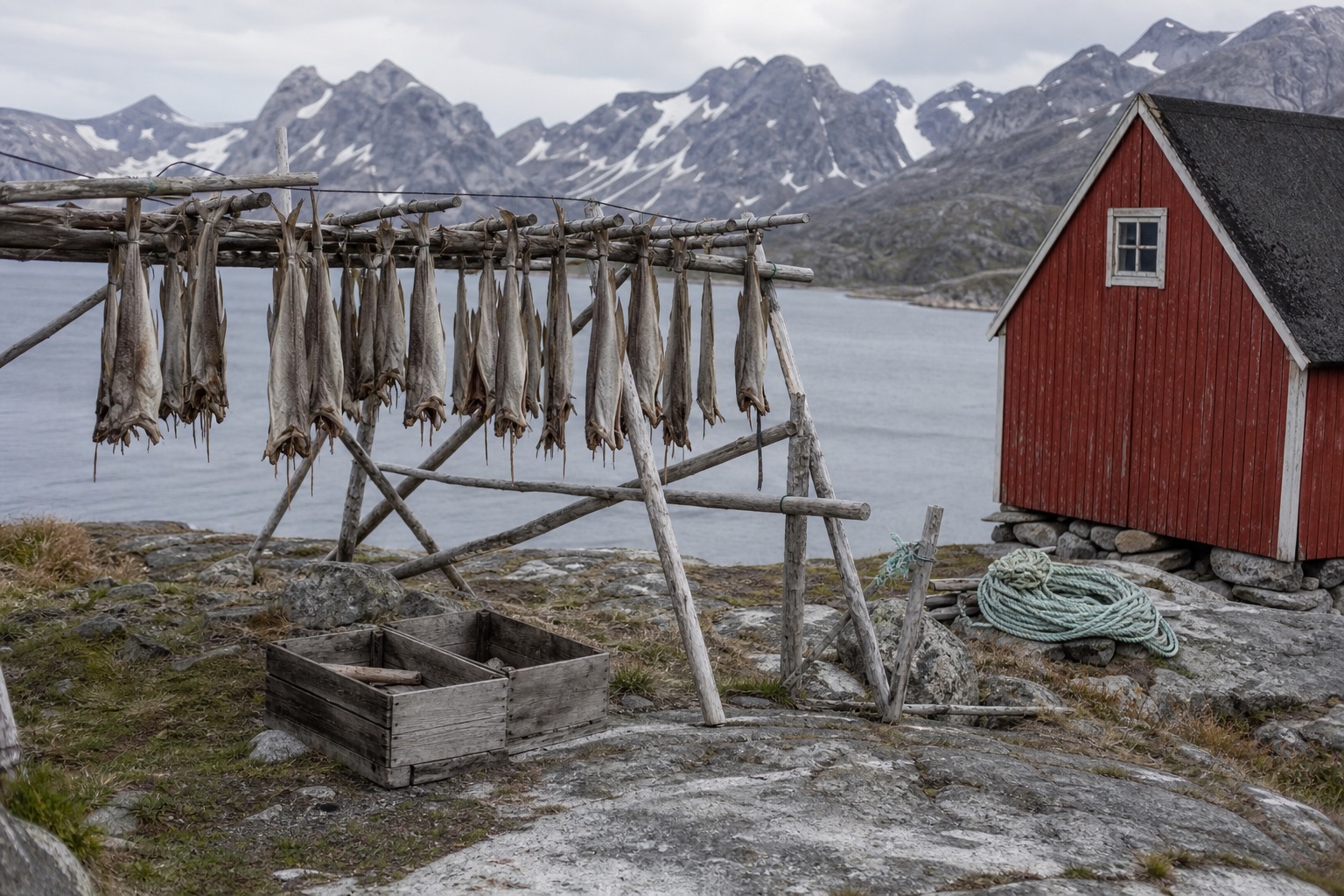
Culture and Food
Culture and food in Greenland are encountered through local ingredients, museums, craft and daily life in small communities. This year-round activity helps us understand the places we visit beyond their landscapes.
Bookable trips
Culture and Food across Greenland
Choose your city and a local operator. Every trip is booked securely through adventures.gl.
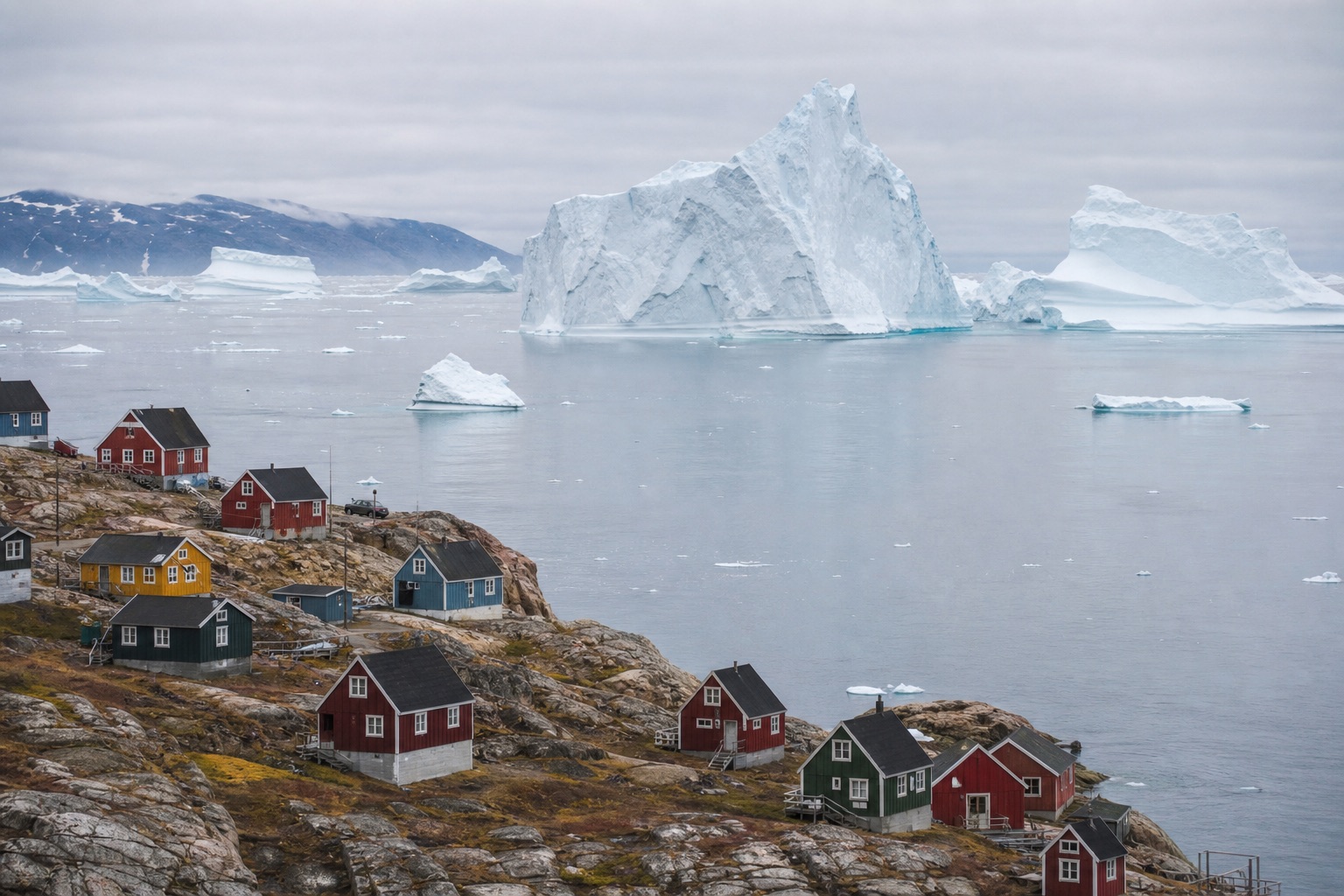
Ilulissat
Culture and Food
by Sermeq Tours
from
350 DKK
/ adult
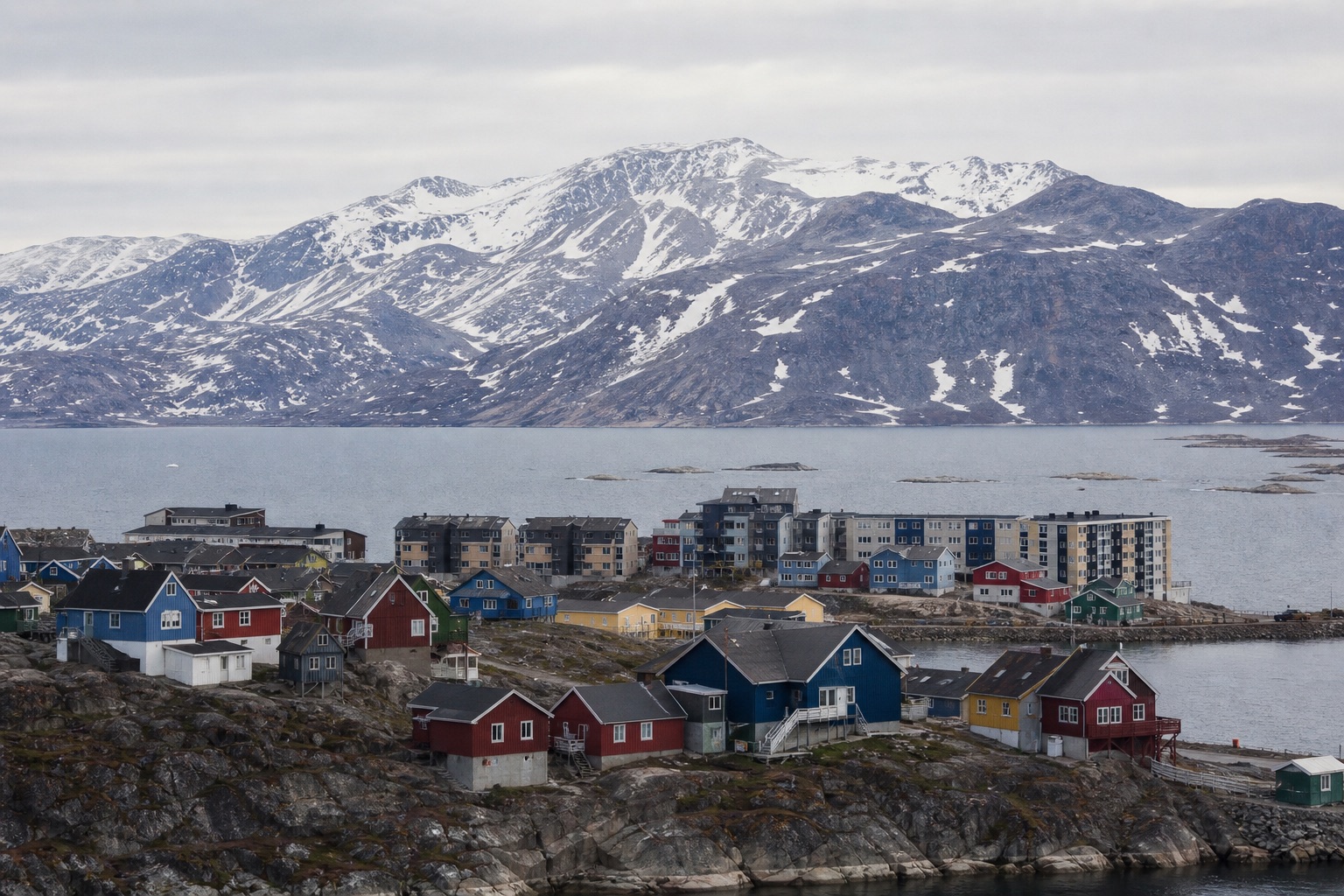
Nuuk
Culture and Food
by Nordbo Safari
from
500 DKK
/ adult
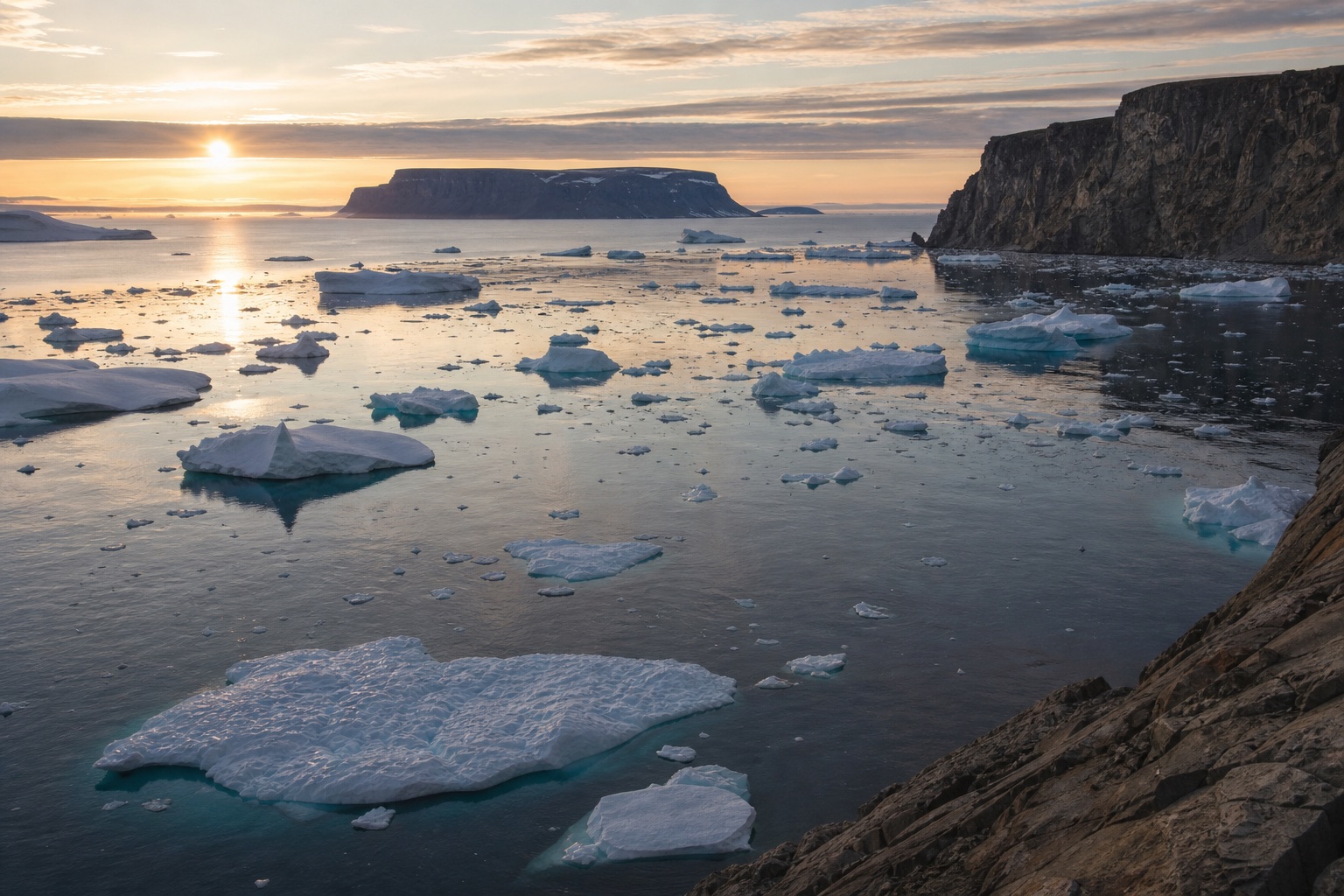
Disko Bay
Culture and Food
by Aputsiaq Voyages
from
450 DKK
/ adult
Sisimiut
Culture and Food
by Qajaq Expeditions
from
450 DKK
/ adult
South Greenland
Culture and Food
by Qajaq Expeditions
from
450 DKK
/ adult
East Greenland
Culture and Food
by Nuna Adventures
from
400 DKK
/ adult
Culture and food are not a single excursion
There is no standard tour that covers Greenlandic culture and food. Greenland consists of small, dispersed communities across a vast, sparsely populated island, so what is available depends on where you stay. A larger town will offer different options from a smaller town or settlement, whether you are looking for museums, craft, meals or some understanding of daily life.
We recommend treating culture and food as part of the whole trip rather than one item in the itinerary. This might mean visiting a museum, setting aside time to look at locally made craft, eating a meal prepared with Greenlandic ingredients or simply walking through the place where you are staying. Not every encounter needs to involve a major attraction or an organised activity. Often, it is more useful to slow down and pay attention to how the place works in practice.
Culture and food can be explored throughout the year. Options vary between communities, so check what is available locally and avoid planning the entire visit around one particular shop, dish or exhibition.
Food from the sea and land
Greenlandic food traditionally draws on both the sea and the land. Fish, sea mammals and game such as reindeer and muskox are all part of the diet. This is a broad outline rather than a complete description, but it reflects the close relationship between food, the landscape and local conditions.
You do not need to seek out one particular dish to learn something about Greenlandic food. Menus and availability differ, and not every ingredient can be found in every community or at every time of year. It is generally better to ask what is being served that day than to arrive with a fixed idea of what a Greenlandic meal should contain.
Some visitors want to try as much as possible, while others have personal, religious or dietary limits. Both are straightforward. Be clear about anything you do not eat, and ask if you are unsure about an ingredient. Sea mammals form part of the traditional diet, but nobody needs to order or taste something simply to claim an experience of Greenlandic food culture.
It is also useful to distinguish between local ingredients and the assumption that everything served in Greenland must be traditional. Everyday food takes many forms. A meal is not necessarily more representative because it matches a visitor’s expectation of something distinctly Greenlandic. If the situation allows, ask directly and without fuss about the ingredients and what they mean locally.
Start with museums
Museums are a practical place to begin because they can provide context for what you later notice in a town or settlement. We refer to museums as a general category because their size, content and access arrangements vary from one community to another. Some places have several options, while elsewhere the choice is limited.
A museum visit is often most useful near the beginning of a stay. It can provide a basis for looking more closely at buildings, objects, craft and local accounts without expecting people you happen to meet to explain them. Check current opening times locally. We would not build a tight day plan around the assumption that a museum will always be open.
Allow time to read the information and examine the objects rather than treating the visit as a brief stop. If staff are available, specific and respectful questions can be helpful. Ask about what is actually on display instead of asking one person to explain Greenland as a whole. Each community has its own circumstances, and one museum cannot provide a definitive account of the entire country.
Craft and what you take home
Craft offers another way to approach Greenlandic culture. Materials and working methods vary, so we recommend considering each piece individually and asking about its maker and materials where possible. We do not point visitors towards particular artists or shops because local options differ and can change.
Pay attention to the distinction between locally made work and an item that simply carries a Greenlandic motif. If buying something made in the community matters to you, ask directly. A simple question about who made an object and where it was produced is usually more reliable than judging from appearance alone.
It is also reasonable to look without buying. A workshop or sales space is not automatically a demonstration, and a person at work is under no obligation to explain or show their process. If photography is not clearly permitted, ask first. This applies to objects, workspaces and people.
Daily life in small communities
Greenland’s communities are separated by considerable distances. This shapes everyday life and means that culture is not confined to exhibitions, events or meals. It can also be found in how a place is used and in the practical arrangements of life there.
As a visitor, do not treat a town or settlement as a backdrop. Homes are private, work areas are not visitor attractions, and people in the street are not part of an organised programme. Ask before photographing anyone, and accept a refusal without argument. The same principle applies if you want to approach a workplace or an activity that has not explicitly been opened to visitors.
We recommend walking at an unhurried pace and following any local guidance. Visitors are more noticeable in small communities, and ordinary consideration matters more than a long list of rules. Do not block access routes, enter private property or ask intrusive questions of people you have only just met.
Be cautious about drawing broad conclusions. One meal, one museum visit or one conversation will not show how all Greenlanders live. Distances between communities are large, and the available services and opportunities differ. A trip makes more sense when each place is allowed to represent itself rather than the whole country.
Conversations without treating people as guides
Meeting local people may become an important part of a trip, but it cannot always be arranged on demand. We recommend distinguishing between planned interpretation and an informal conversation. An organised activity has an agreed framework. In a shop, on the street or during a meal, the other person is not necessarily working as a cultural guide.
Ask specific questions when the setting is appropriate, and listen without immediately comparing the answer with another country or community. Do not expect one person to speak for all of Greenland. Asking how something works in that particular place is more precise than asking what everyone in the country does.
If someone invites you to taste something or tells you about an object, you can accept with ordinary courtesy. You can also decline politely. Respect does not require performing the role of a perfect guest. It means being clear, attentive and conscious that you are not entitled to another person’s time.
Planning culture and food into a trip
We normally place cultural and food experiences between the other parts of an itinerary instead of assigning everything to one day. A museum can work on a day when the weather makes an outdoor plan less straightforward. Time for shops and workshops can fit around the hours you are already spending in town. For a meal using local ingredients, the first step is simply to ask what is currently available.
Keep the plan flexible. Small communities do not necessarily have a large or consistent range of options, and a particular experience cannot be expected everywhere. If a museum is closed, an item is unavailable or a certain ingredient is not being served, choose an alternative rather than pressing someone to find a solution.
Culture and food are year-round activities, although the season will affect the wider practical conditions of the trip. Greenland has an Arctic climate, and practical considerations should take priority over completing a long list. Leave room in the itinerary, verify local information shortly before the visit and do not count on a particular experience until it has been confirmed.
This approach also makes it easier to adapt between different parts of the country. What is available in a larger town may not exist in a small settlement, while the smaller place may offer a clearer view of its own daily routines. Neither experience should be treated as more authentic than the other. They reflect different communities with different circumstances.
A straightforward approach
Begin with the place rather than a checklist. Visit a museum if one is available. Look at craft without assuming that every item was made locally. Ask about the ingredients on a menu and choose what you actually want to eat. Walk through a town or settlement with an awareness that it is somebody else’s home and workplace.
This keeps culture and food from becoming separate products to be consumed in a few hours. Instead, they contribute to an understanding of the community you are visiting. No specialist knowledge is required, but it does take time, curiosity and some restraint about believing that one trip provides a complete understanding of Greenland.