
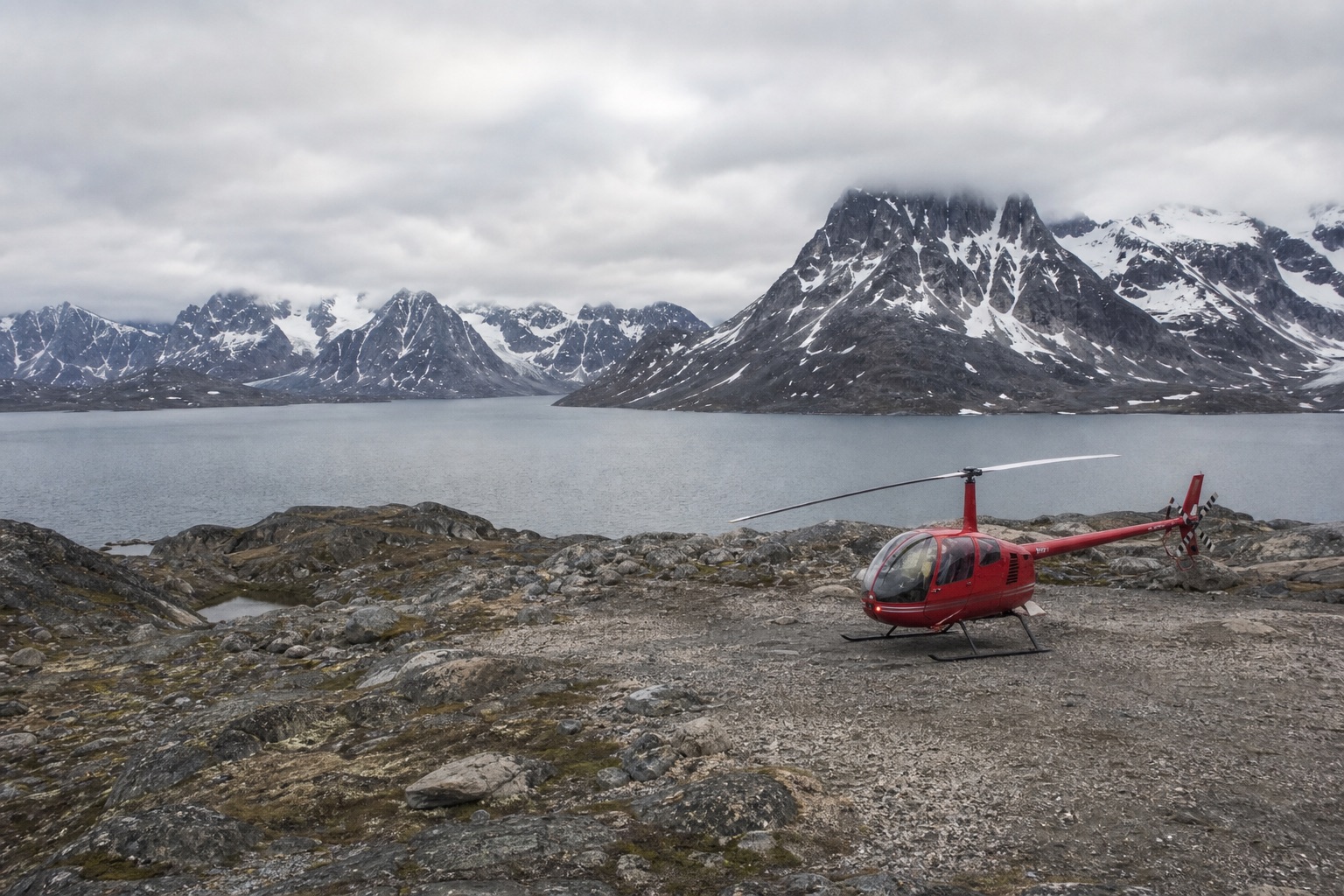
Helicopter Tours
Helicopter flights in Greenland are primarily transport between places where fixed-wing aircraft do not provide the relevant connection. Understanding their role makes it easier to plan a journey involving several forms of transport.
Bookable trips
Helicopter Tours across Greenland
Choose your city and a local operator. Every trip is booked securely through adventures.gl.
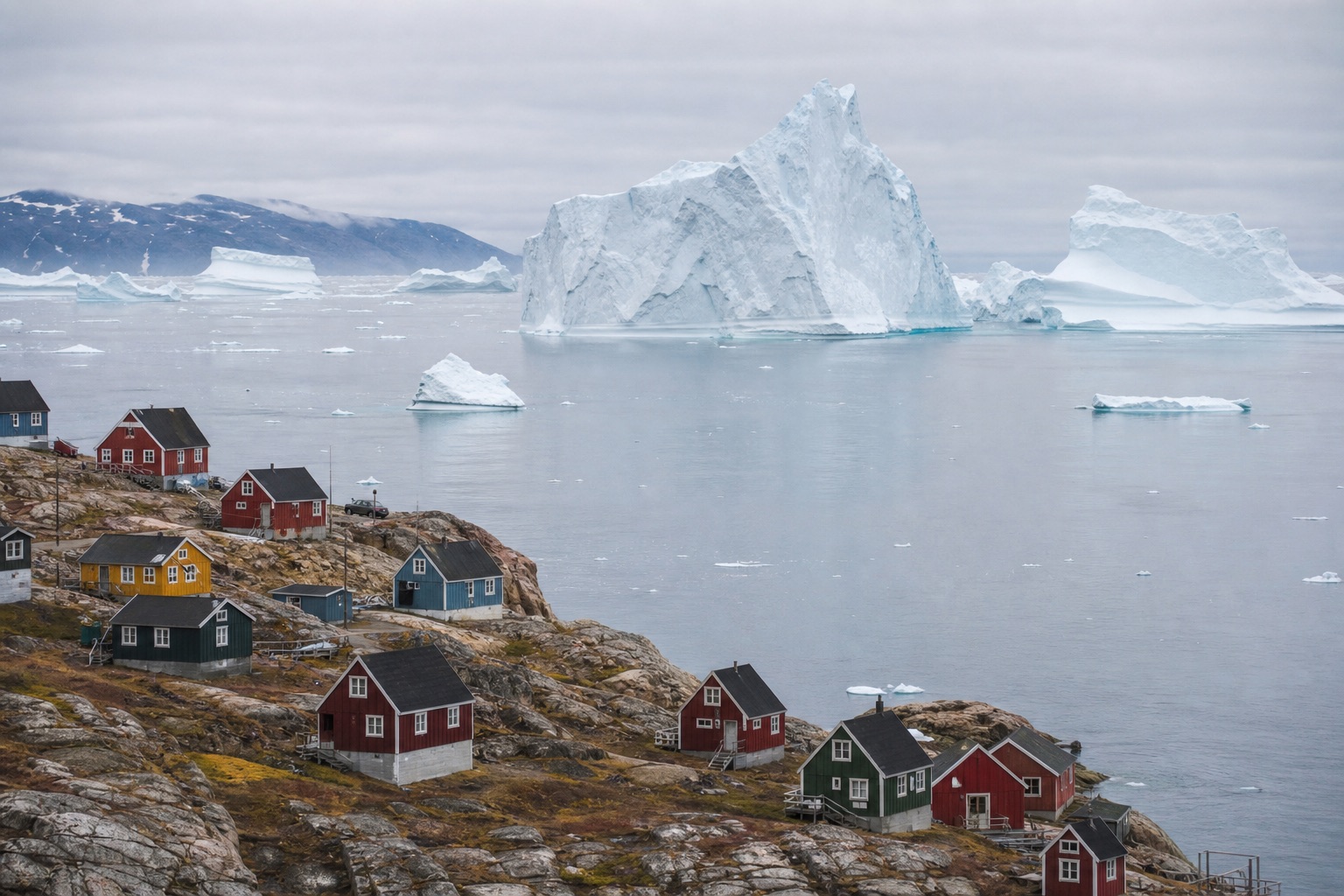
Ilulissat
Helicopter Tours
by Kalaallit Journeys
from
2,350 DKK
/ adult
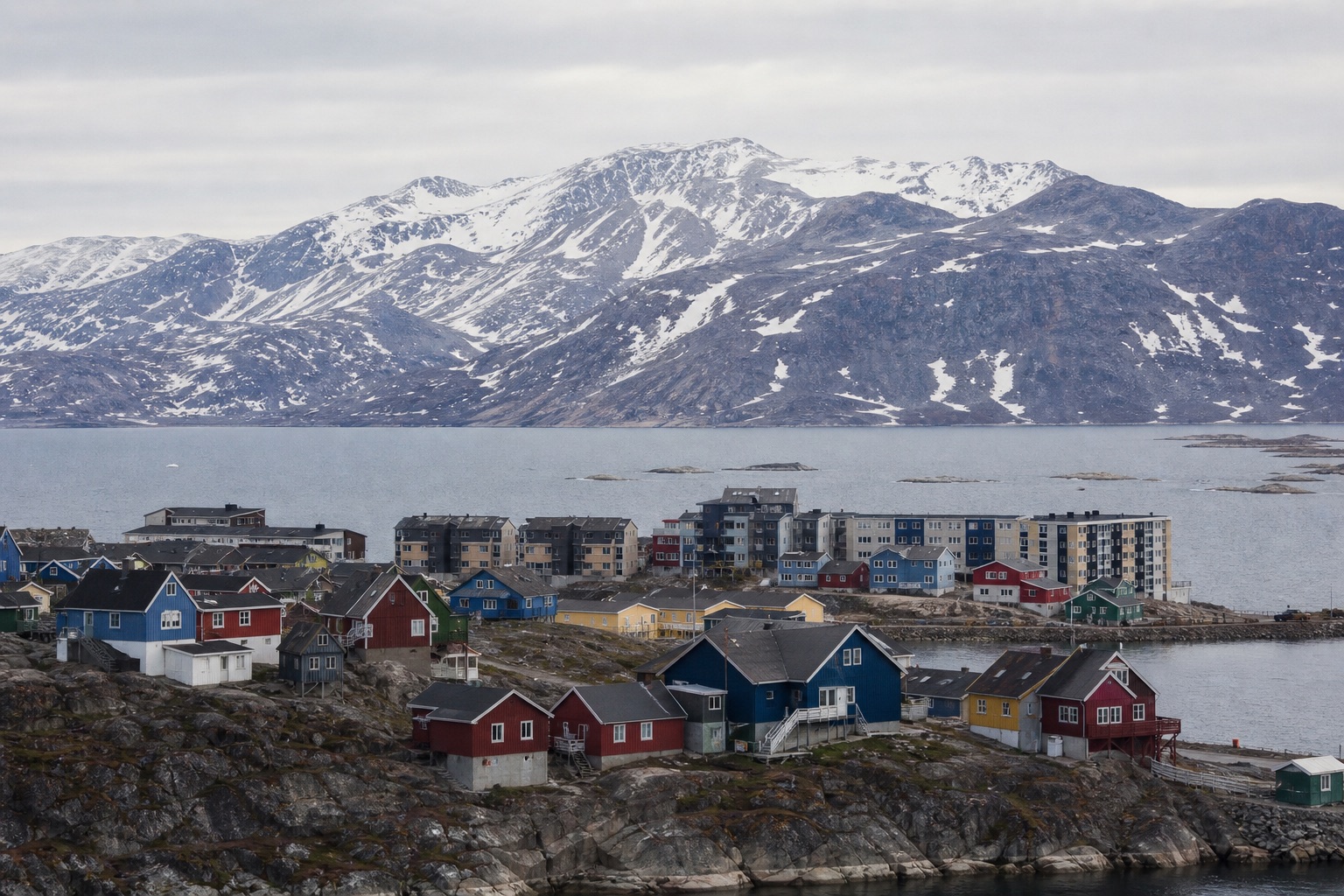
Nuuk
Helicopter Tours
by Aputsiaq Voyages
from
2,400 DKK
/ adult

Disko Bay
Helicopter Tours
by Aputsiaq Voyages
from
2,400 DKK
/ adult
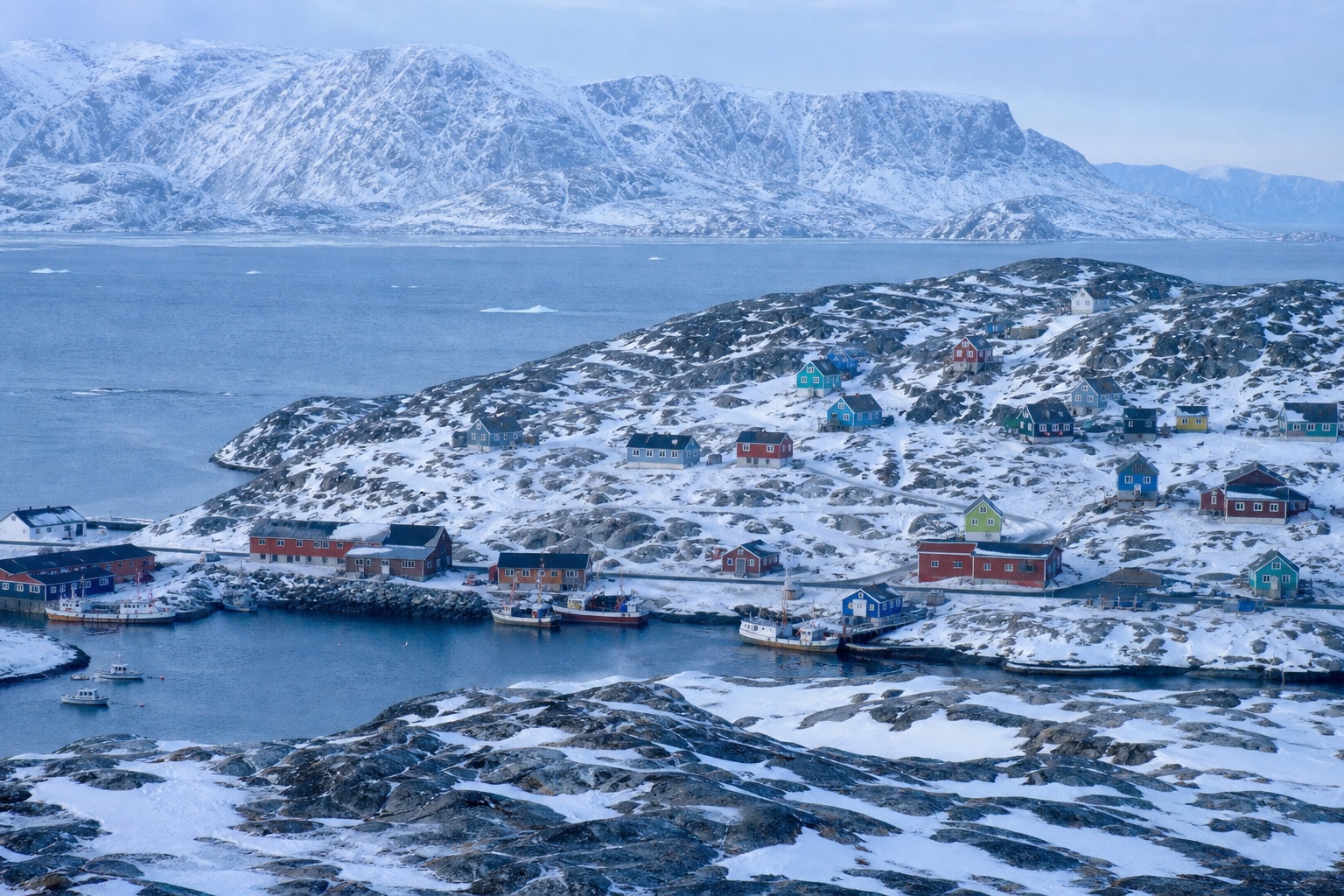
Sisimiut
Helicopter Tours
by Anori Coast Expeditions
from
2,450 DKK
/ adult
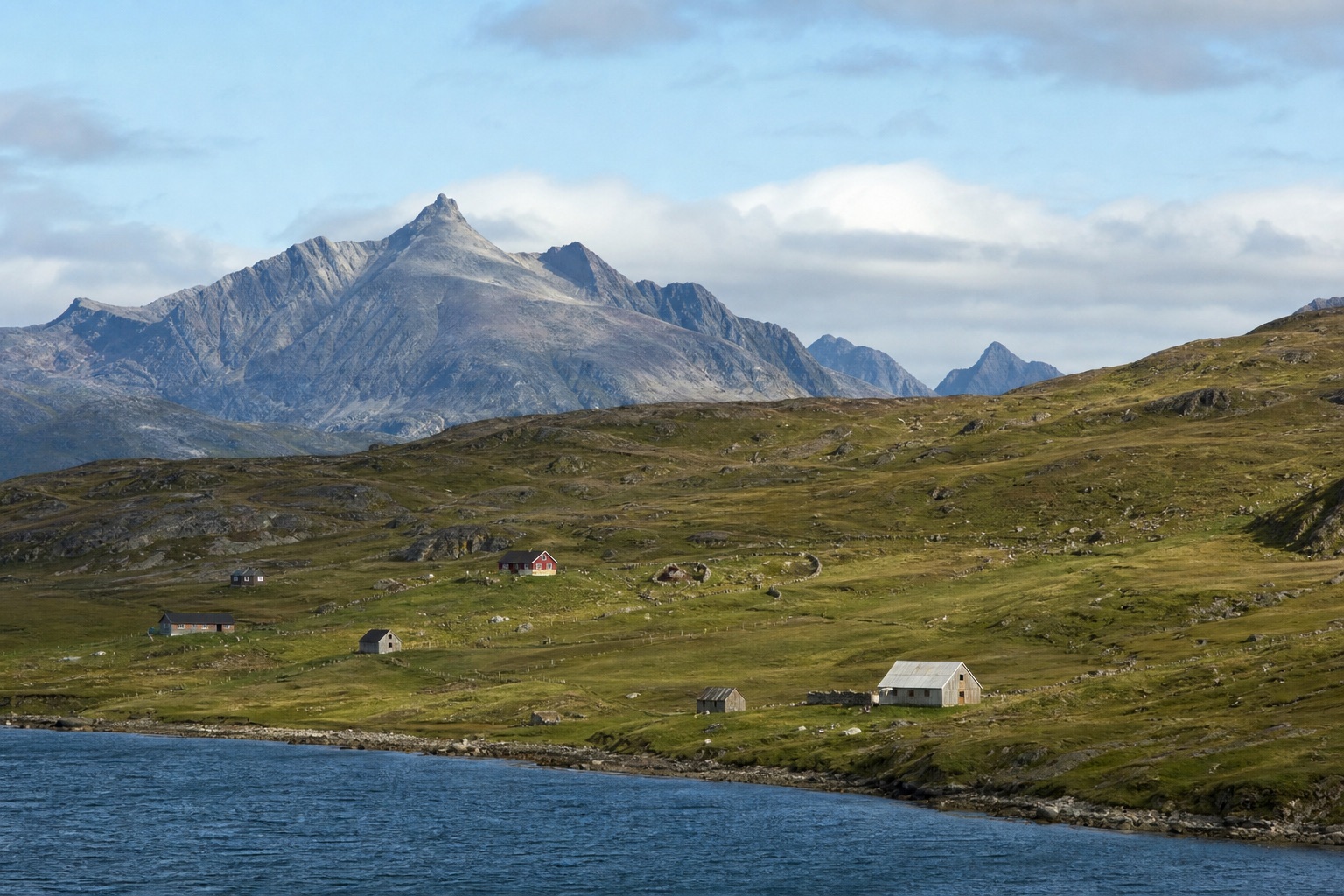
South Greenland
Helicopter Tours
by Ittuk Expeditions
from
2,500 DKK
/ adult
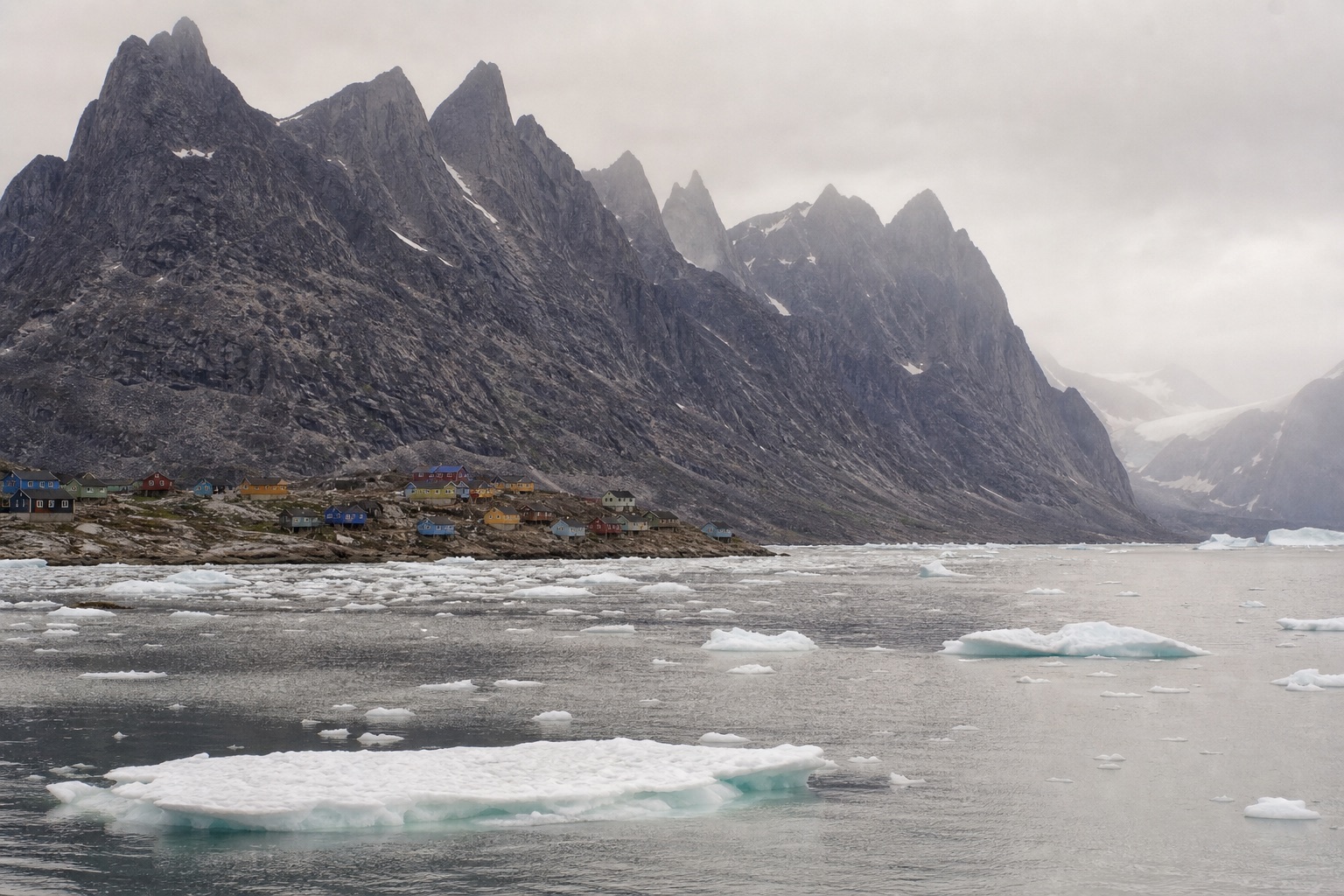
East Greenland
Helicopter Tours
by Ittuk Expeditions
from
2,500 DKK
/ adult
Helicopters in Greenland’s transport system
In Greenland, helicopters are not used only for sightseeing. They are part of the transport system, providing connections where a fixed-wing aircraft is not the relevant option for that particular journey. There is no road network linking Greenland’s towns and settlements, so travel between communities is by plane, helicopter or boat.
This is the main point to understand when planning a journey that includes a helicopter. The flight will often be one stage between two stays rather than an excursion that begins and ends in the same place. It therefore needs to be considered alongside the international journey to Greenland, any domestic flights and the onward transport at the destination.
We recommend planning the complete route before looking at an individual helicopter flight. Start with the places you intend to visit, then identify which sections are covered by fixed-wing aircraft, helicopter or boat. Do not assume that every destination can be reached in the same way, or that any journey described as a flight will necessarily use a conventional passenger aircraft.
Fixed-wing flights and helicopter connections
Air Greenland’s verified fixed-wing domestic network operates from Nuuk to Aasiaat, Ilulissat, Kangerlussuaq, Kulusuk, Maniitsoq, Paamiut, Qaqortoq and Sisimiut. This is a list of fixed-wing routes from Nuuk. It is not a list of helicopter routes and should not be read as one.
The distinction matters because domestic aviation is a broad term. A single itinerary may involve more than one type of air transport, and each section of the journey needs to be checked separately. We therefore do not give a general list of helicopter routes or standard departure days here. The available connection depends on the destination and the dates of travel.
When we assess an itinerary, we first establish whether the main section can be completed by fixed-wing aircraft. We then check whether the next stage requires a helicopter or a boat. Working in that order makes the route easier to understand. It also avoids presenting a helicopter sector as an optional activity when it is actually necessary transport between two points.
Year-round flights remain weather-dependent
Helicopter flying takes place throughout the year in Greenland, but it is weather-dependent. The same applies to all other aviation in the country. An itinerary should not be built on the assumption that each transport sector will operate independently of the conditions on the day.
That does not mean helicopter travel should be avoided. It means the timetable needs to be treated realistically. If a helicopter connection sits between an international arrival and a stay elsewhere in Greenland, the complete sequence should be assessed together. The same applies on the return journey, when a delay on a domestic sector may affect the following departure.
We advise against making the schedule unnecessarily tight, particularly when several forms of transport need to connect. A journey involving a plane, helicopter and boat has more separate stages than a direct flight. Each stage should be shown clearly in the itinerary, including which connections are essential for continuing the journey and which arrangements could be moved if weather requires a change.
No season removes this uncertainty. Greenland has an Arctic climate, and although helicopter flights operate year-round, aviation always depends on the current conditions. We do not suggest that travel in a particular season guarantees straightforward helicopter operations. That can only be judged in relation to the specific departure.
Start with the international arrival point
For many visitors, the route begins with an international flight to Greenland. Nuuk’s international airport opened on 28 November 2024. It has direct jet service from Copenhagen five times a week, increasing to six flights over Christmas and New Year and eight a week during summer. From Nuuk, the verified fixed-wing domestic network continues to Aasiaat, Ilulissat, Kangerlussuaq, Kulusuk, Maniitsoq, Paamiut, Qaqortoq and Sisimiut.
Ilulissat’s own airport opens during 2026, with direct service from Copenhagen on Wednesdays. The schedule increases to Mondays and Wednesdays over Christmas and New Year and during the winter season from 1 to 27 March 2027. This changes how some itineraries can be arranged, but it does not remove the role of helicopters as transport elsewhere in Greenland.
The practical question is therefore not simply whether you want to fly by helicopter. You first need to establish where the journey enters Greenland, where it needs to finish and which transport stages connect those points. An international arrival in Nuuk, or in Ilulissat once its direct service is operating, may be followed by a longer domestic journey using fixed-wing aircraft, helicopter or boat on different sections.
We recommend listing every stage separately: the international flight, each fixed-wing domestic flight, any helicopter connection and any boat transfer. This makes the helicopter sector clear and prevents the fixed-wing network from Nuuk from being mistaken for a helicopter network.
Transport flight or sightseeing activity
A helicopter flight may also be arranged for the view rather than to provide an essential connection. On this page, however, we treat helicopters primarily as transport to places not served by fixed-wing aircraft on the relevant sector. A necessary connection and a separate sightseeing flight should be treated as different parts of the trip.
For a transport flight, the destination and onward connection are the main considerations. The helicopter takes the traveller from one place to another and must fit into the wider route. For a sightseeing flight, the flight itself is the activity. Combining the two in the planning stage can make it difficult to see which parts of the itinerary are required and which are optional.
If you are considering a separate helicopter activity, confirm the necessary transport connections first. You can then check whether a sightseeing flight is available at the destination and during the relevant travel period. We do not provide a general route, duration or price because those details must relate to a specific product. The price of a boat tour is not a useful guide to the cost of a helicopter flight; they are different activities and different forms of transport.
Whatever its purpose, a helicopter flight remains weather-dependent. A sightseeing activity should not be positioned so that the entire stay relies on it taking place at one particular time. Where a helicopter is essential transport, its connection with the next stage of the journey needs to be included in the route planning from the start.
What to confirm before booking
Before finalising an itinerary involving a helicopter, we recommend confirming the specific route and date. Knowing that a destination is generally reached by air is not enough. You also need to know whether the relevant sector uses a fixed-wing aircraft or a helicopter, and how it connects with the rest of the journey.
Current baggage conditions, check-in or meeting times, and procedures for changes should be confirmed with the specific booking. We do not give general limits or timings because they need to be checked for each connection. The same applies to transfers between different forms of transport.
At a minimum, a practical itinerary should show:
- where the international journey ends in Greenland
- which sectors use fixed-wing aircraft
- which sector, if any, requires a helicopter
- whether boat transport is included
- where changes between transport types take place
- which connections are essential for the onward journey
This breakdown is particularly useful in Greenland because towns and settlements are not linked by roads. If a flight is cancelled or changed, it is not possible to replace it with a drive to the next town. Transport should therefore be treated as a central part of the itinerary rather than something arranged after accommodation and activities have already been fixed.
How we include helicopters in an itinerary
When we put a Greenland journey together, we use a helicopter where it solves a specific transport requirement. We do not add one merely to make the itinerary longer or more varied. If a destination can be reached through the verified fixed-wing network from Nuuk, that is the option we consider first. If the onward route requires another form of transport, we assess it as a separate stage.
This produces a more precise itinerary and makes it easier to understand what is being booked. It also distinguishes the necessary parts of the journey from optional activities. For some travellers, the helicopter flight will be one section of a longer route. For others, it may be the connection that makes it possible to reach the place where they will be staying.
Our advice is to plan around geography and transport needs rather than beginning with a preference for a particular experience. Helicopters are part of Greenland’s regular transport structure because there is no continuous road network between inhabited places. The view may be part of the flight, but its practical function comes first: reaching a destination where the relevant connection is not provided by fixed-wing aircraft or by road.